Early in life, every day offers fresh chances for a kid to develop and learn. Among the vital talents infants start to acquire are self-help skills, which are so important for promoting independence, confidence, and problem-solving ability. These abilities include anything from personal hygiene to dressing and eating oneself. Promoting the acquisition of these self-help techniques at home will pay off in the long run as it lays a solid basis for the next education and autonomy.
.png)
4 Easy Strategies to Help Your Toddler Learn Self-Help Skills at Home
calendar_month
28 Oct 2025, 18:08
visibility
97 Views
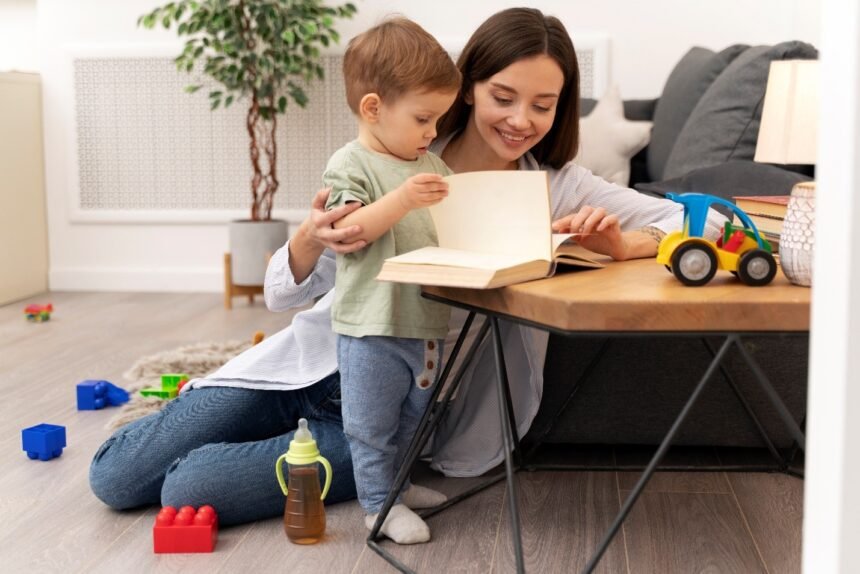
Strategy 1: Establish Regular Processes Toddler Learn
One of the finest approaches to teaching self-help techniques is integrating them into everyday activities. Toddlers learn most when they can repeatedly participate in activities. For instance, letting a youngster choose their clothing and wear it every morning will make a simple chore a teaching tool. At these moments, supporting them and providing mild guidance will enable them to continue working hard and grasp the sequence of activities needed.
Strategy 2: Make the Space Safe for Children
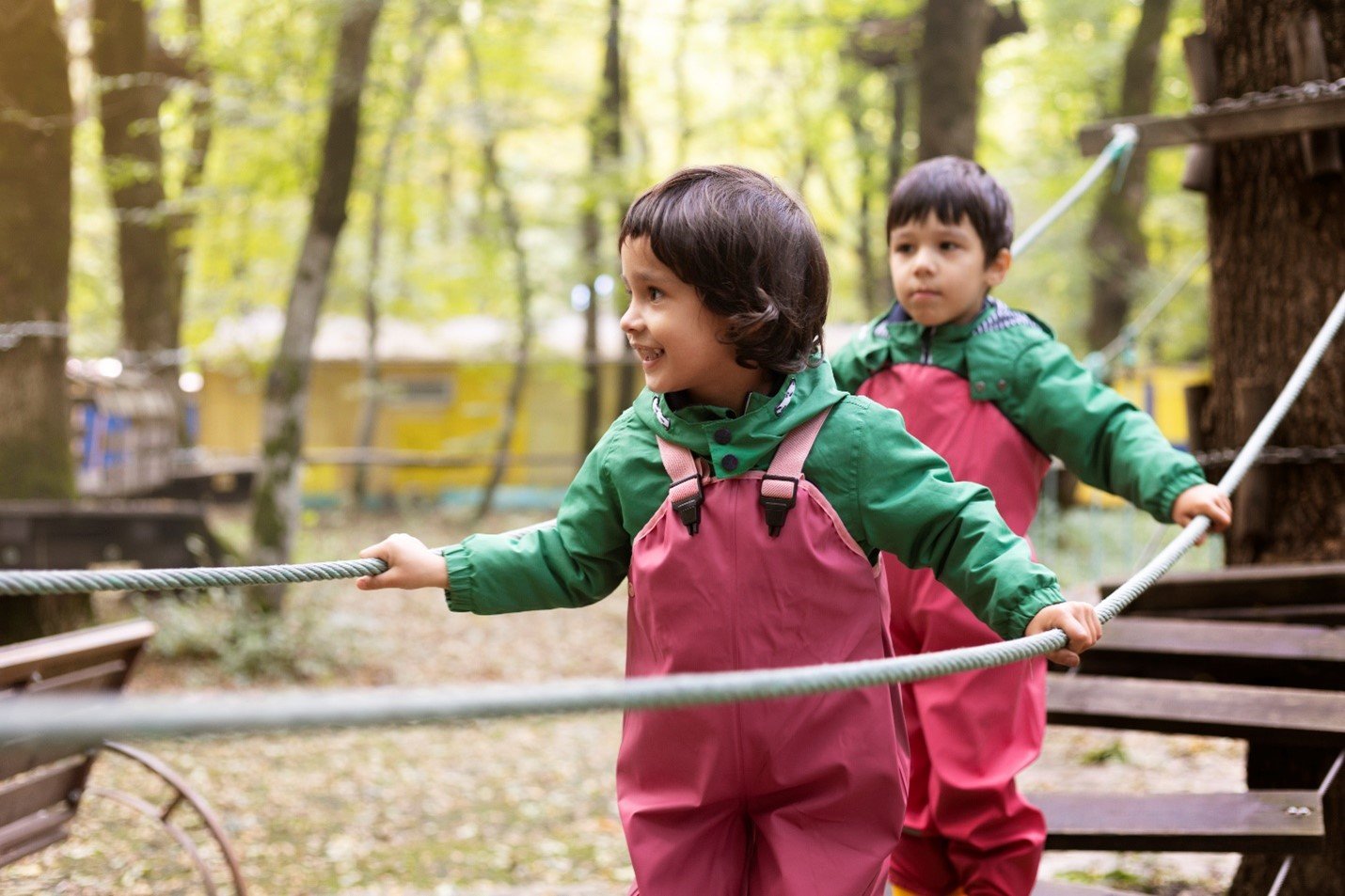
Development of self-help abilities depends on child-friendly surroundings. Toddlers are more likely to be active when their surroundings let them get what they need on their own. Little changes like arranging toys at a low level, using step stools in the toilet, and keeping garments within simple reach may make a great impact. By making sure everything is accessible, toddlers may learn clothing, cleaning, and hand washing without continual help. This not only increases their confidence but also supports their capacity for autonomous job completion.
Strategy 3: Provide Consistent Praise and Support
One very effective strategy for teaching young children’s self-help techniques is positive reinforcement. Celebrating little accomplishments and praising their efforts helps them to stay on even if their jobs are demanding. It’s crucial to pay more attention to the process than the result; for instance, praising a toddler’s effort to tie their shoes even if they fail helps to develop a growth mentality. Encouragement should be real and particular, stressing the work and endurance rather than just the outcome. This method encourages children to keep growing their abilities and allows them to feel important.
Strategy 4: Model the Desired Behavior
Childhood Guidance learn by watching what other people do and copying what they do. One good way to help them learn how to help themselves is to show them how to do it. Showing them how to do things like brushing their teeth, combing their hair, or putting on their shoes gives them a visual guide they can use. To help children understand the process better, you can also talk about the steps of each job as they are being done. For instance, explaining why it’s important to wash hands before eating not only teaches the skill but also makes people more responsible for their health.
Conclusion
Encouragement of independence and confidence depends on including self-help techniques in a toddler’s daily schedule. These early teachings enable youngsters to negotiate obstacles with resilience and set the stage for lifetime learning and flexibility. Healthy Child Info provides insightful analysis and practical advice to help carers on this significant journey. Encouraging young children to engage in these chores helps them become competent, confident people ready for the future.
Related Blogs
Toddler Health & Fitness
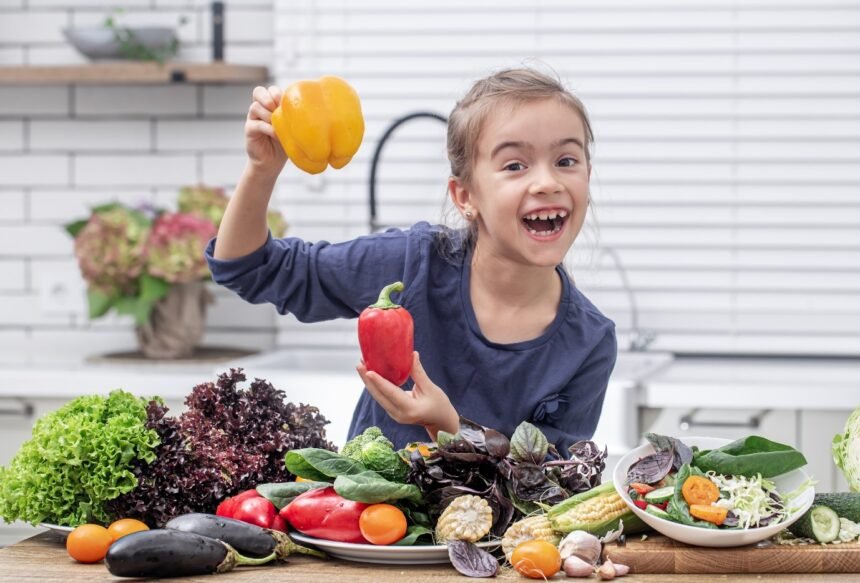
A Complete Nutritional Guide for Toddlers to Support Healthy Growth
The proper growth of a kid depends on early-life nutrition, and having a Nutritional Guide is essential. Particularly between one and three years old, this period of life lays the groundwork for lifetime eating patterns and health. Knowing their nutritional guide requirements becomes crucial for parents and caregivers when toddlers move from baby food to a more diversified diet. This blog provides a thorough Nutritional guide for Toddlers covering important elements of a good diet, the value of good nutrition, and useful advice to satisfy these requirements.
Read More →
Newborn Care
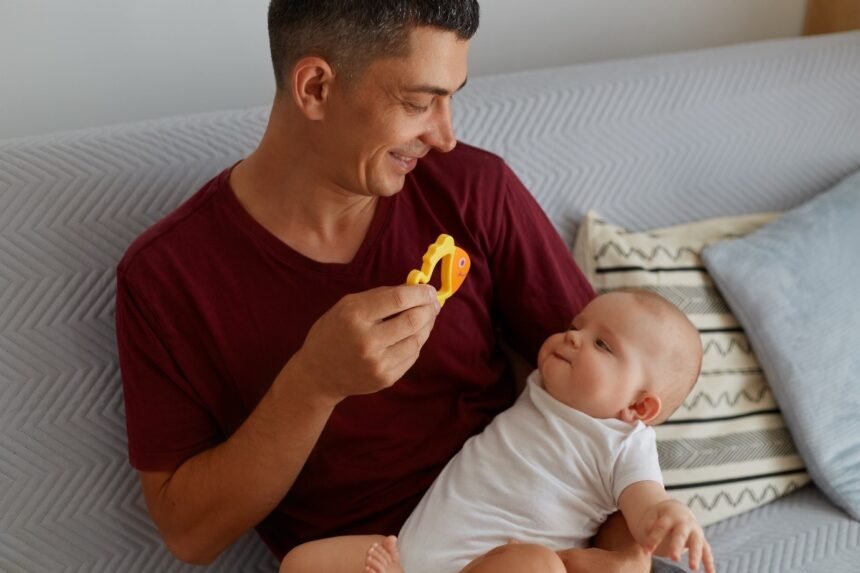
Essential Parenting Tips for Newborns: Building a Strong Foundation from Day One
A baby entering your life is an exciting yet intimidating event. New parents will find themselves negotiating a wide range of difficulties and pleasures. With the right parenting tips, you can navigate this journey smoothly. Your child’s emotional and mental growth, as well as their physical health, depends on this stage. Starting a firm basis from day one is crucial. Therefore, this blog will provide you with useful Parenting Tips for Newborns that will enable you to create loving surroundings for your child.
Read More →
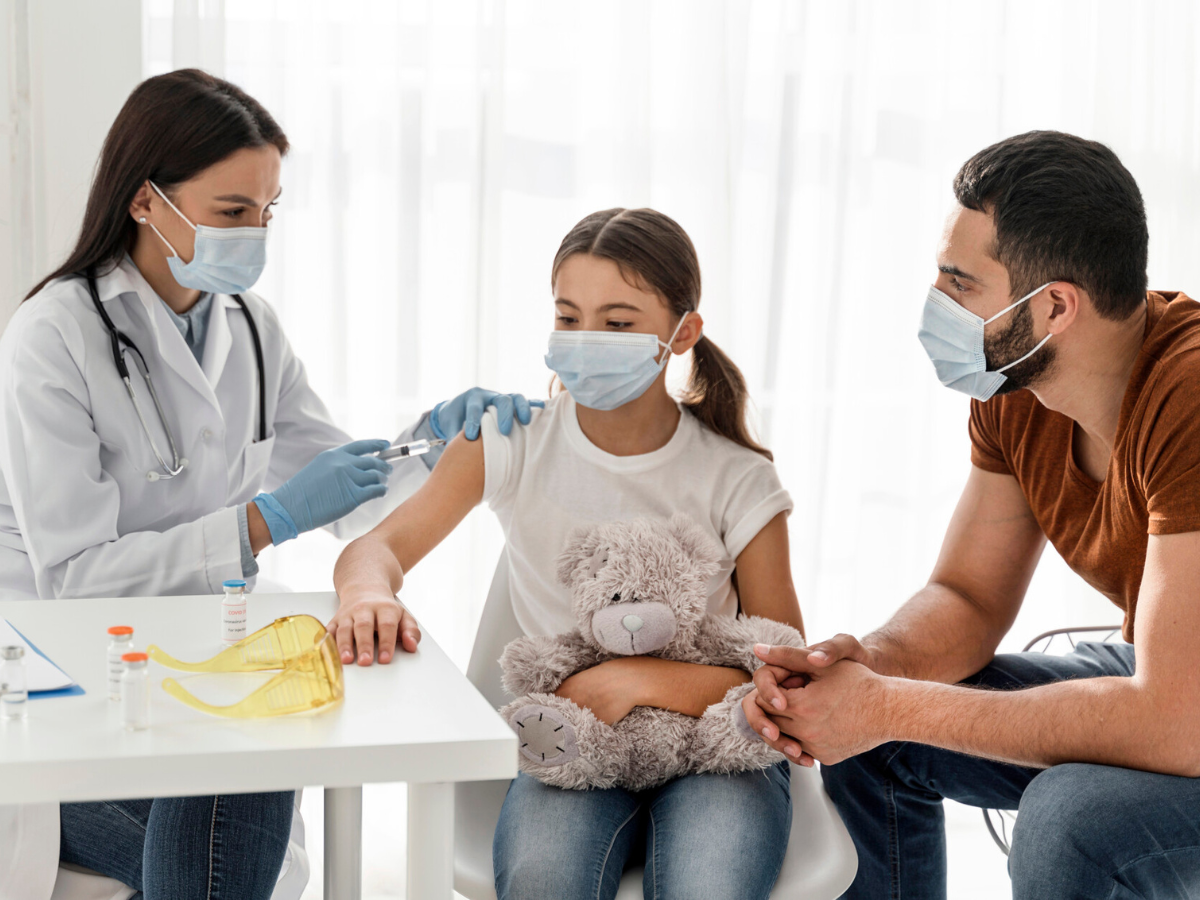
Vaccination
Child Immunization Guide: What Parents Should Know?
A pillar of public health, vaccinations guard youngsters against a variety of possibly serious diseases. Ensuring their children receive timely vaccinations is among the most crucial things parents can do to promote Healthy Child development. Vaccines not only shield your child from diseases such as whoop cough, polio, and measles but also help to stop community outbreaks. Following child immunization guide helps parents greatly lower the risk of illness spread and supports general health. Safe, efficient, and necessary for ensuring the future of your child are vaccinations.
Read More →
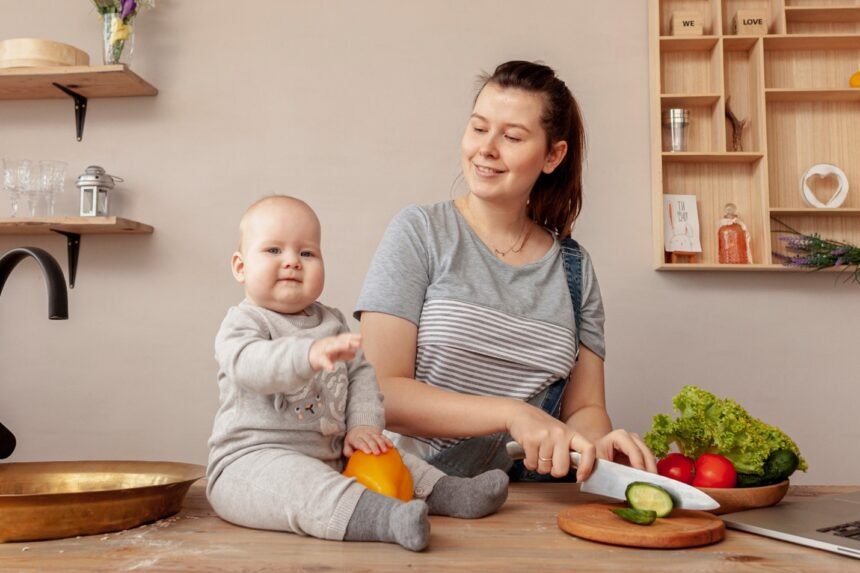
Growth
Easy Ways to Boost Your Baby’s Iron Levels with Diet
Boosting Your Baby’s Iron Levels with Diet: Less Understandable Methods Iron is a crucial mineral for newborns’ Baby’s turn of events and development, especially in the first year of life. It is absolutely significant for the formation of hemoglobin, the protein in charge of oxygen transport in the blood. Babies without sufficient iron might foster iron deficiency sickliness, which might compromise their physical and cognitive turn of events. The overall well-being and prosperity of an infant depends on their food, including sufficient iron, which helps them flourish all through these crucial early phases of life.
Read More →