The proper growth of a kid depends on early-life nutrition, and having a Nutritional Guide is essential. Particularly between one and three years old, this period of life lays the groundwork for lifetime eating patterns and health. Knowing their nutritional guide requirements becomes crucial for parents and caregivers when toddlers move from baby food to a more diversified diet. This blog provides a thorough Nutritional guide for Toddlers covering important elements of a good diet, the value of good nutrition, and useful advice to satisfy these requirements.
.png)
A Complete Nutritional Guide for Toddlers to Support Healthy Growth
calendar_month
27 Oct 2025, 12:05
visibility
110 Views
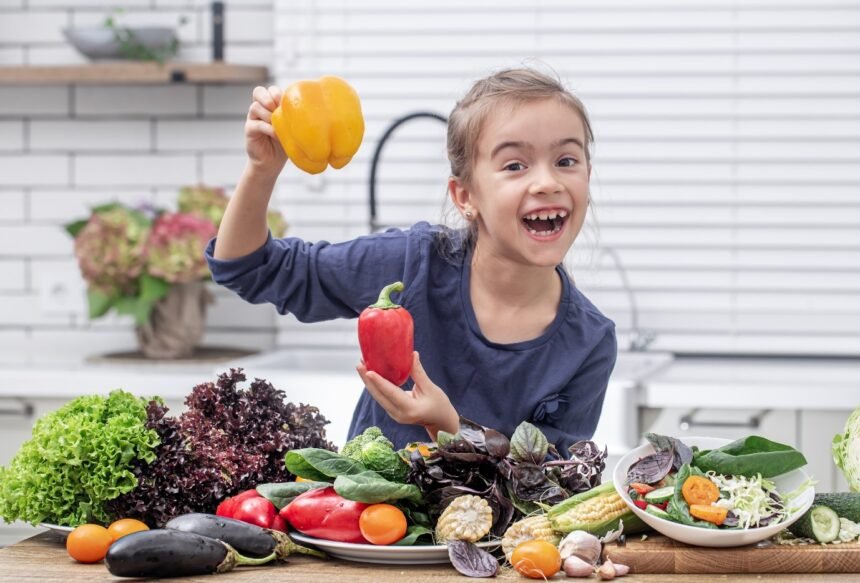
Significance of Proper Nutrition – A Nutritional Guide
One cannot stress the importance of an appropriate diet throughout early life. A balanced diet enhances cognitive ability and growth. At this point, nutritional inadequacies may generate long-term health issues, including obesity, diabetes, and developmental disabilities. Many times, parents ask for childhood nutrition advice to make sure their toddlers get enough. Caregivers may encourage a lifetime of healthy eating by concentrating on well-balanced meals. This blog is to provide parents with an understanding of the nutrition need of newborns.
Understanding Nutritional Needs
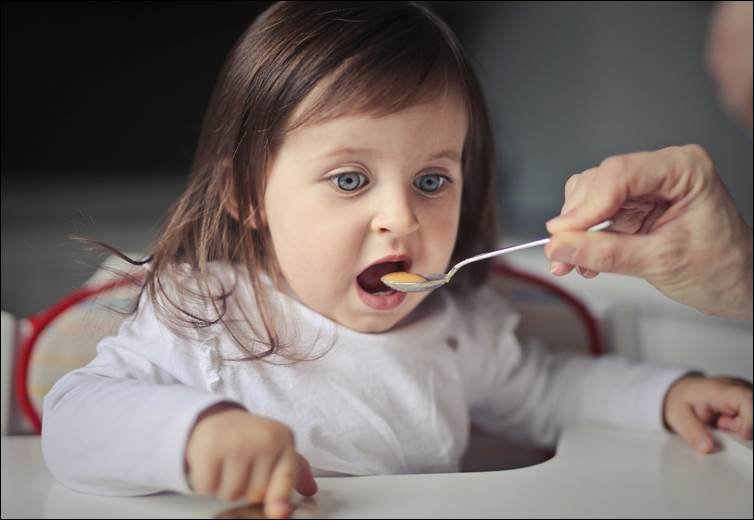
One has to grasp the nutrition need of newborns and toddlers. For the most appropriate development, toddlers should contain carbohydrates, proteins, vitamins, and minerals. While carbs provide energy, proteins help muscles and tissue expand. Brain development depends on healthy lipids; hence, vitamins and minerals are important for metabolic activities. Parents should look for a range of foods to guarantee their children a well-balanced diet. Including a variety of meals may also assist young children in growing to appreciate several flavors and textures.
Key Components of Healthy Eating
Four main elements should guide your food planning for young children:
Various Food Options: Introduce a scope of nutrition to support a balanced diet.
Everyday Meal Times: Plan regular meal and snack times to encourage good eating practices.
Healthy Snacks: Between feeds, provide wholesome snacks like fruits, vegetables, and whole grains.
Limit Sugary Foods: Cut down on sugary foods and beverages to stifle bad urges.
Portion Sizes Matter
Apart from the field of cuisine, one should also pay attention to portion proportions. Toddlers should eat reasonably modest feeds as their stomachs are smaller than those of older children and adults. Generally speaking, one tablespoon of every food category should be given annually of age. A two-year-old may be given, for instance, two tablespoons of veggies, two tablespoons of grains, and a little bit of protein. This approach guarantees enough nutrients and helps avoid overloading young diners.
Importance of Hydration
A toddler’s dietary requirements also heavily rely on hydration. One should mostly choose water as their beverage. Milk may also provide necessary calcium and vitamin D at the same time. Parents should limit fruit juices and sugary drinks as they might aggravate dental issues and obesity. Toddlers who are encouraged to drink water all day will remain hydrated, and their kidneys will work as they should. Providing water throughout meals may also help to encourage healthy practices.
Fostering a Positive Mealtime Environment
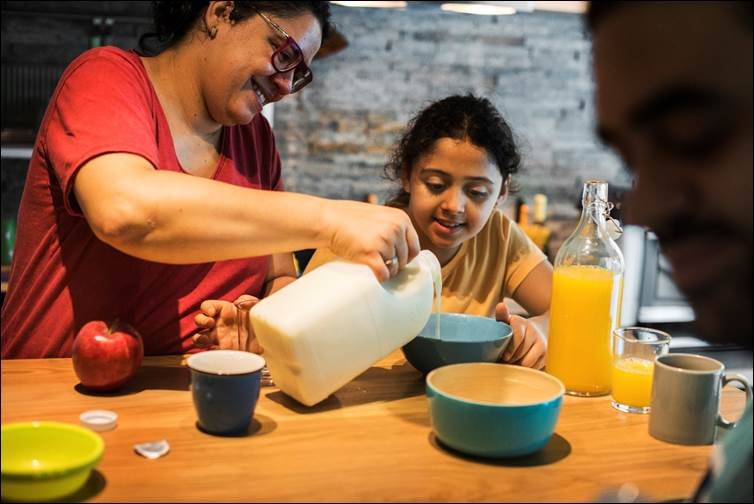
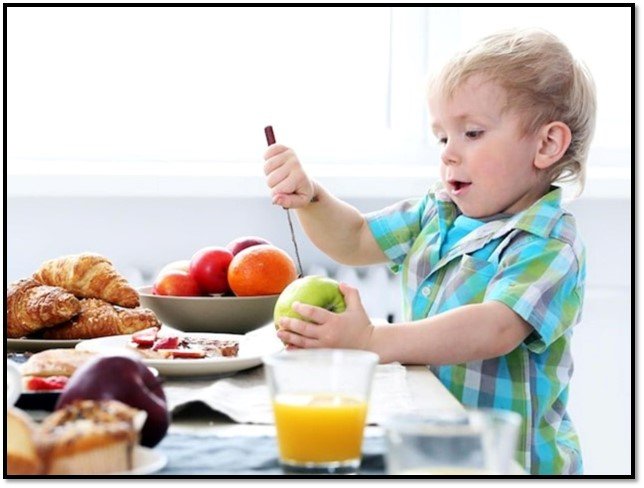
Although it’s crucial to provide healthy meals, parents should also create a pleasant dining scene. Encouragement of toddlers to investigate their food, let them self-serve, and avoidance of pressure to consume helps build a good connection with food. Making meals exciting, like making creative shapes out of food or letting young children help prepare meals, can inspire toddlers to try novel foods. Good encounters at the table might eventually result in an adventurous eater.
Conclusion
Healthy development and growth of a kid depend on the early years of their existence. Following a thorough nutritional guide for toddlers can help caretakers make sure their kids have food requirements met. Newborns’ well-being depends on their nutrition demands. Hence, a balanced diet is essential. Families can negotiate this crucial period and promote lifetime health by following correct Childhood nutrition advice. See Healthy Child, a reputable firm committed to advancing children’s health and well-being, for more information and direction.
Related Blogs
Toddler Nutrition
Best Top 10 Nutritious Weight-Gaining Food for Kids
Top 10 best weight-gaining foods for kids to increase their weight and health. These are easily available in kitchen, tasty, and under budget.
Read More →

Parenthood
Creating a Safe and Healthy Home Environment for Kids
Children’s emotional and physical growth depends on their safe and healthy home environment. Children flourish in environments that support their well-being so they may explore, grow academically, and develop confidence. A healthy household addresses emotional support, a loving environment, and chances for personal development in addition to physical protection. This blog will look at important elements in establishing a home setting that supports Emotional well-being in Kids, therefore enabling their long-term success and enjoyment.
Read More →

Parenthood
Recognizing Early Signs of Autism in Babies: A Guide for Parents
Identifying early signs of autism in your babies is crucial for parents to ensure timely intervention and support for their kids’ proper development. In this comprehensive article, we’ll get to know the subtle cues that may indicate autism spectrum disorder (ASD) in infants. By recognizing these signs earlier, parents can take steps to seek treatment and support to provide the best possible care for their little ones.
Read More →
Growth
11 Months Baby Food Chart with Indian Recipes
The dietary landscape changes as your child gets closer to becoming one year old. At 11-month-olds, newborns are usually ready to investigate a greater range of textures and tastes. This time is vital for establishing a balanced baby food chart that meets their demands for development and growth. With its great variety of spices and ingredients, Indian food is a wonderful chance to enhance the palette and nutritional value of your infant.
Read More →