“Children are not things to be moulded, but are people to be unfolded.” – Jess Lair
.png)
4 Reasons For Hot Head In Healthy Baby
calendar_month
28 Oct 2025, 18:16
visibility
116 Views
Introduction
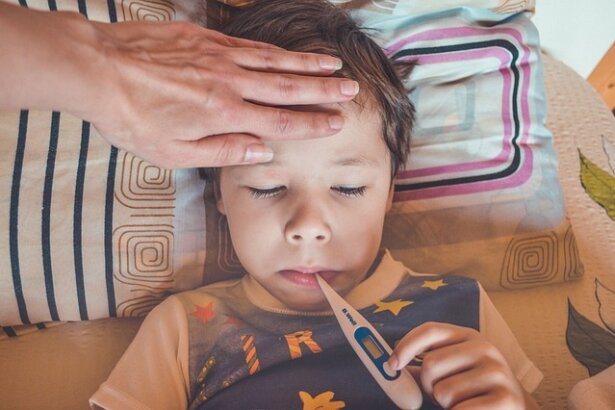
Often mothers worry about their healthy baby and come to our OPD with complaints that their child’s head remains hot. Some others say that they see fever in the baby’s head but their hands remain cold. However, the thermometer shows normal temperature. Here, we will learn all about the problem of head heat. We will find out why it happens, how it happens or if it needs treatment. Hello everyone, I am Dr. Mohammad Noor Alam Khan. The information I offer here will clear many of your doubts.
So, do you want to know why children’s heads remain hot even when they don’t have a fever? Let’s find out!
Whenever someone has a fever, it increases the temperature of the whole body evenly and not just one part of the body. Therefore, with fever, the temperature of the head also increases. So, why is it that sometimes your child’s head is hot even when they don’t have a fever? There can be various reasons for that. Let us check them out one by one.
Reasons for Hot Head in Healthy Baby

1. Circulation in Healthy Baby

The most important reason is that the circulation of children is very high. It means that the heartbeat of adults is between 70 to 80 or 90 while in a healthy baby, it can go up to 100, 120 or 130. Due to the increased heartbeat, the circulation of their body is very high. This leads to a warmer body, especially the head. Since children have a higher circulation their head feels hot when you touch it. If you notice properly, not just their heads but also their bodies are hotter than ours.
2. Brain Development in a Healthy Baby

The second important reason is that children have a faster brain development. By the time they are 5 years old, the brain of a healthy baby can develop to 90. It means that the highest level of brain development happens in the first 5 years. Therefore, the brain needs an abundant supply of nutrients, oxygen, and protein at all times. This also leads to a hotter head because of a high circulation at all times. You may also notice that their head and neck would be warm.
3. Increase in BMR

The third reason is the increase in the Basal Metabolic Rate (BMR). The BMR is lower in bigger animals which also means their heat generation is lower. However, in smaller animals, the heat generation or the BMR is high. For example, if you hold a rabbit or a rat, you will notice that they are very warm. It is because their bodies generate more heat. Similarly, when children are small, they have a higher capacity to generate heat as compared to older people. This is the reason older people have cold hands. Hence, a healthy baby can have a hot head and it is normal.
4. Lack of thick hair
The fourth reason is the lack of thick hair. When you are an adult, you have good and thick hair. However, children have thinner hair or their heads are shaved. Therefore, when you touch their head, you can directly feel the scalp which is usually hotter and it gives a feeling that your child might have a head fever. But in reality, you have a healthy baby.
Bottom Line
After seeing these reasons, we can say that head fever is not a disease. You have a healthy baby even if your child has a higher temperature than adults. If the thermometer has a normal temperature, there is no fever in the baby. You can check out my YouTube video on fever to learn all about it.
Moreover, with nutritious food, your child is likely to gain adequate weight and be a healthy baby. Finally, we can say that you should not go to doctors who do not have a lot of experience in child care. They might ask you to get some blood tests done or prescribe antibiotics to your child. This may cause more harm to your child.
I aim to help you with child care with the help of my blog and my YouTube channel. You can subscribe and learn the little details that will help you keep your child safe and healthy.
“Raising children is a journey that requires patience, love, and an understanding of their unique development. Trust in the natural growth process and seek guidance from experienced professionals.” – Dr Mohammad Noor Alam Khan
Related Blogs

Parenting
Why do Kids Lie? 5 Tips to Stop Children From Telling Lies?
Why do kids lie and how to stop children from telling lies? This is a very common question that we encounter in our pediatric clinic. Watching our newborn or infant slowly grow up, is a very happy and satisfying feeling but some of their habits sometimes hurt us, and we feel bad. One of these habits is the child’s lying tendency. We start blaming ourselves for these and having doubts about our parenting style as we are not like this, why our kids have these bad habits. Today I will tell you why children lie, how it starts, and how it grows, apart from this I will tell you efficient tips to stop your kids from telling lies.
Read More →
Breastfeeding
A Comprehensive Guide to Breastfeeding: Essential Tips for Every Mom Should Know
“A newborn has only three demands. They are warmth in the arms of its mother, food from her breasts, and security in the knowledge of her presence. Breastfeeding satisfies all three.” -Dr. Grantly Dick-Read
Read More →
Parenting
The Importance of Play in Early Childhood Development
Although many people consider play to be a basic hobby it is a necessary component of early life childhood development. Children’s brains are expanding at an amazing pace throughout these formative years; play helps to foster this development. Whether alone or with others, the activities kids engage in via play directly affect their cognitive, physical, social, and emotional growth. Understanding the value of play and how it develops a child’s skills helps parents guide ideal Childhood nutrition advice using meaningful and enjoyable activities.
Read More →
Parenting
Healthy Recipes for Picky Eaters: Nutritious Meals Kids Will Love
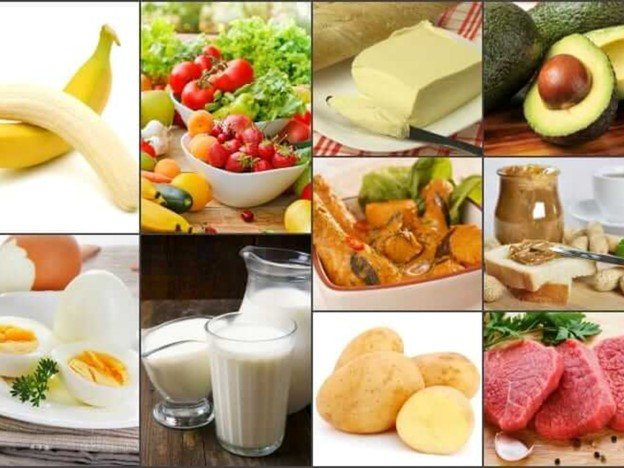
For parents, feeding children, especially picky eaters, can be difficult. Meals should not only fit their tastes but also supply the proper nourishment. Toddlers and babies especially depend on their dietary demands to be satisfied from the beginning of their development. Little imagination can help you design nutritious meals that simultaneously satisfy and thrill youthful taste receptors. This blog will walk you through creating meals your kid will like and meeting their dietary requirements.
Read More →