Boosting Your Baby’s Iron Levels with Diet: Less Understandable Methods Iron is a crucial mineral for newborns’ Baby’s turn of events and development, especially in the first year of life. It is absolutely significant for the formation of hemoglobin, the protein in charge of oxygen transport in the blood. Babies without sufficient iron might foster iron deficiency sickliness, which might compromise their physical and cognitive turn of events. The overall well-being and prosperity of an infant depends on their food, including sufficient iron, which helps them flourish all through these crucial early phases of life.
.png)
Easy Ways to Boost Your Baby’s Iron Levels with Diet
calendar_month
28 Oct 2025, 12:55
visibility
107 Views
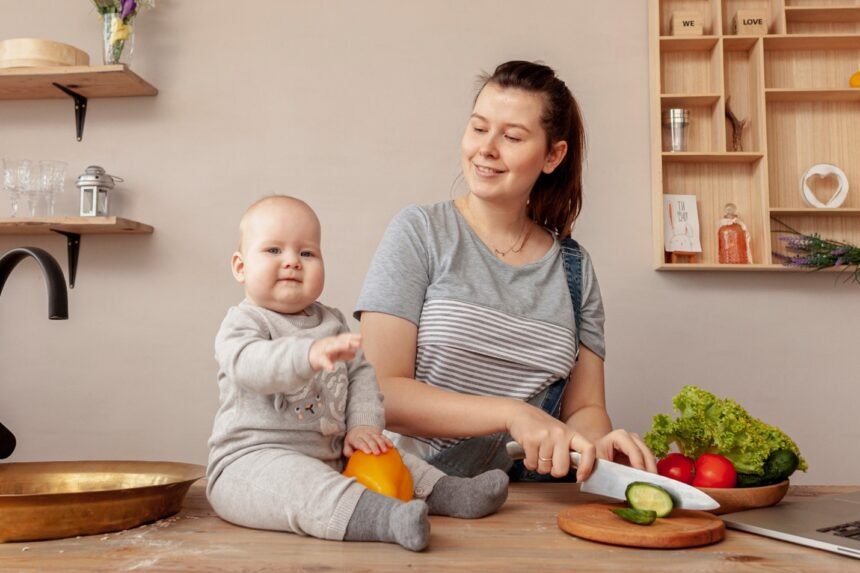
The Significance of Iron in Early Childhood
One cannot stress the importance of iron in a baby’s diet. Babies rely upon the iron reserves they work in the belly for six months of life. Yet, when these stocks run out, we need to bring outside supplies of iron to satisfy their rising need. Essential for a baby’s diet, iron helps brain development, muscular strength, and general energy levels. A lack of iron could cause formative delays that could be difficult to recover from.
Top Iron-Rich Foods to Include in Your Baby’s Diet
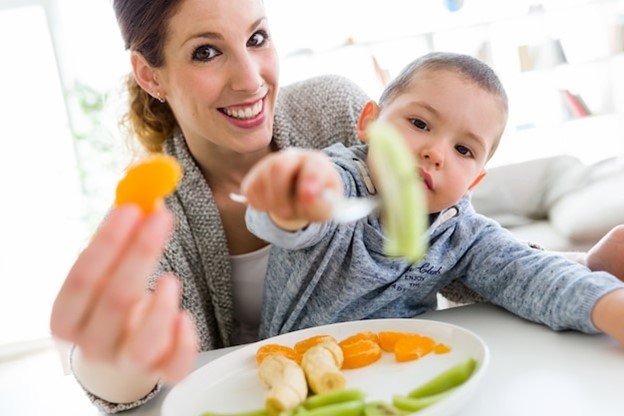
One of the most outstanding methods to ensure an infant gets the expected degree of iron is to include foods high in this essential component in their diet. The following are some of the finest meals high in iron fit for small kids:
Meats and Poultry: The body absorbs heme iron from chicken, turkey, and hamburger more promptly than it would from non-heme iron from plants.
Beans and Lentils: A terrific choice for veggie-lover diets, beans, and lentils are significant sources of iron and might be pureed or mashed for youthful infants.
Dull Mixed Greens: Spinach, kale, and other dim salad greens are high in iron and easy to include in baby healthy and development.
Fortified Cereals: Many baby cereals are iron-fortified and might be combined with breast milk or formula to provide a supplement-dense dinner.
Combining Iron with Vitamin C for Better Absorption
Combining meals that are weighty in iron with those that are strong in vitamin C can significantly increase body iron absorption. Vitamin C is a facilitator, helping the body all the more effectively absorb non-heme iron from plant-based diets. To increase the total absorption of iron, for instance, give an infant a blend of meals high in iron, such as spinach, with foods high in vitamin C, such as oranges or strawberries. This propensity guarantees that the infant makes the most of their iron intake, thereby enhancing their development and general state of well-being.
Recognizing the Signs of Iron Deficiency in Babies
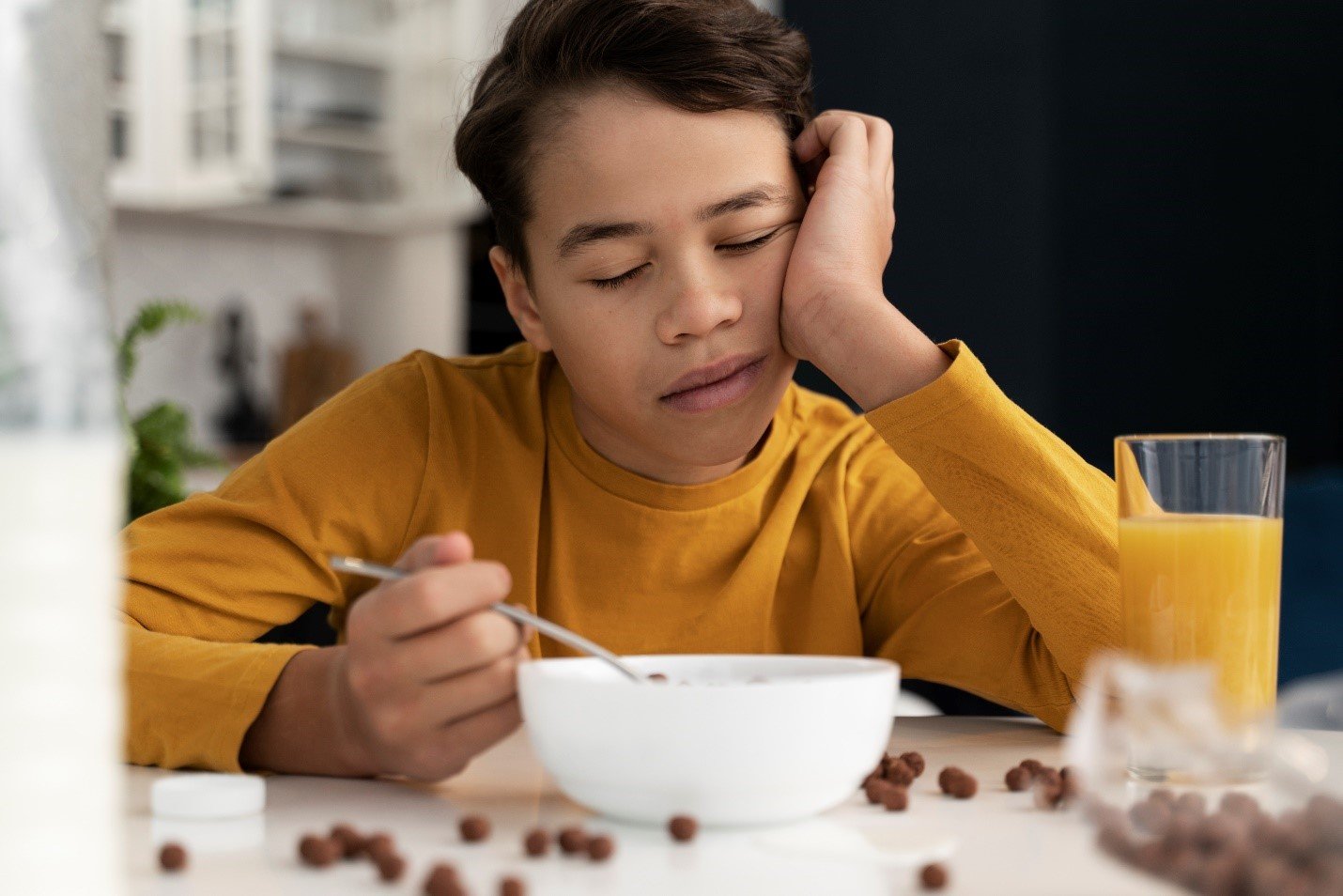
Early recognition of the iron shortage is crucial to solving the issue before it causes more serious medical problems. Babies with iron deficiency might have pale complexion, tiredness, and low energy. Moreover, showing slower weight increases and participate less in their surroundings are babies. Should any of these symptoms be seen, seeing a healthcare practitioner for further assessment and possible treatment advice is advisable.
Conclusion
The overall well-being and development of your child rely upon getting sufficient iron from a balanced diet. Parents can help their child’s well-being by including meals high in iron and combining them with vitamin C. Early identification and correction of iron shortages help to stay away from formative delays and medical conditions. Healthy Child Info provides insightful analysis and tools to empower you to use sound judgment for the prosperity of your infant, as well as more specific advice on preserving their wholesome requirements.
Related Blogs
Parenthood
Your Guide to Understanding the 5 Key Areas of Child Development
From birth to youthfulness, a youngster goes through a few huge and complex formative stages for child development. Understanding these cycles can let guardians, instructors, and clinical experts help a youngster foster all the more completely. The five most significant regions of a kid’s improvement will be examined in this book alongside their implications and how they connect to make a sound, cheerful individual.
Read More →
Parenthood
Best Ways to Encourage Social Skills in Children
Growing youngsters have many chances to acquire social skills that will enable them to negotiate their environment. From peer interactions to adult communication skills, a child’s growth depends critically on their capacity to participate in social events. Promoting effective social skills transcends instruction in etiquette like “please” and “thank you.” It’s about developing emotional intelligence, empathy, and communication skills, all of which are very important for preserving mental health support for kids.
Read More →

Toddler Health & Fitness
Raising an Active Child: Easy Ways to Encourage Physical Activity
A child’s total development and well-being depend on physical activity. It increases coordination, promotes endurance, and tones muscles. Regular physical activity also aids a Baby Health And Development therefore laying the basis for a lifetime of fitness. Active youngsters typically have better focus and mental clarity; they are less prone to acquire obesity and other health-related problems. Furthermore, exercise helps children develop their confidence and emotional resilience, therefore enabling them to manage stress. Early on encouragement of mobility helps your child develop good habits that will benefit them all their life.
Read More →
Newborn Care
Essential Parenting Tips for Newborns: Building a Strong Foundation from Day One
A baby entering your life is an exciting yet intimidating event. New parents will find themselves negotiating a wide range of difficulties and pleasures. With the right parenting tips, you can navigate this journey smoothly. Your child’s emotional and mental growth, as well as their physical health, depends on this stage. Starting a firm basis from day one is crucial. Therefore, this blog will provide you with useful Parenting Tips for Newborns that will enable you to create loving surroundings for your child.
Read More →