Growing youngsters have many chances to acquire social skills that will enable them to negotiate their environment. From peer interactions to adult communication skills, a child’s growth depends critically on their capacity to participate in social events. Promoting effective social skills transcends instruction in etiquette like “please” and “thank you.” It’s about developing emotional intelligence, empathy, and communication skills, all of which are very important for preserving mental health support for kids.
.png)
Best Ways to Encourage Social Skills in Children
calendar_month
28 Oct 2025, 11:23
visibility
105 Views

Why Social Skills Are Essential for Children’s Development
Children’s social skills are the tools they use to interact with people, converse, and create close connections. These abilities enable youngsters to negotiate their emotional and social difficulties. Strong social skills help explain stronger self-confidence, better peer interactions, and better academic and life results. Social skills development takes time and spans many years. Skills that significantly affect Emotional well-being in Kids include:
- The identification and expression of emotions.
- Understanding of others’ points of view.
- Good management of conflict.
The Part of Emotional Well-Being in Social Skills Development
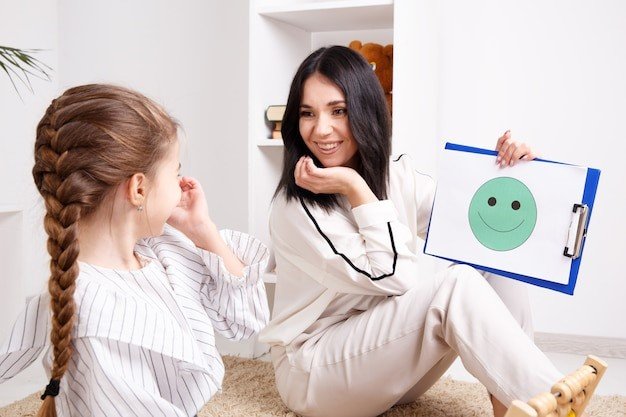
Emotional well-being in Kids is intimately related to the development of emotional intelligence and social skills. Strong social skills enable children to control their emotions, which helps them create good connections. Children who struggle with social events may experience anxiety, loneliness, and rejection, as well as other mental health issues. Children who can communicate their emotions, recognize the feelings of others, and constructively settle problems are probably going to have emotional stability instead. This basis helps them to be generally mentally healthy.
How Emotional Regulation Promotes Healthy Social Interactions
One of the most crucial approaches to helping children’s social skills and emotional well-being is teaching emotional control. Emotional well-being in Kids regulation is able to identify and control their emotions without allowing them to maintain their contact with others. For example, a child’s ability to speak properly may be hampered when they are angry or irritated. By teaching youngsters to recognize their feelings and use words to communicate them, you may help to lower emotional outbursts and encourage good social skills. This emotional awareness promotes good communication, which allows youngsters to negotiate social situations boldly and politely.
Building Self-Esteem to Boost Social Confidence

Fundamental elements of a child’s capacity for social interaction are confidence and self-esteem. High self-esteemed children are more inclined to start discussions, form friendships, and politely express themselves. Over time, encouraging good self-talk and applauding a child’s achievements can help them to become confident. Additionally crucial is emphasizing their strengths rather than their shortcomings. Children feel more at ease in social situations when they esteem and embrace their selves. As adolescents grow to manage various social obstacles with resilience, this confidence not only improves their social abilities but also helps their emotional well-being.
Conclusion
A child’s whole development and emotional stability depend on their developing excellent social skills. Parents can help their children easily negotiate social settings by giving chances for engagement, empathy instruction, and confidence building. The Healthy Child method stresses the need for mental health assistance, therefore guaranteeing early resolution of emotional problems. Children may acquire enduring social skills that not only improve their connections but also help to create a strong emotional basis for them all by means of appropriate direction and care.
Related Blogs
Parenting
Guide to Healthy Sleep Habits for Infants and Toddlers
Your newborn or toddler’s general health and well-being depend on their getting adequate sleep. From creating a secure sleeping environment to a relaxing evening ritual, several elements help to promote good sleeping practices. The abundance of advice accessible may overwhelm you as new parents or caregivers. Still, your child’s sleep quality may be much improved by understanding where to start and how to approach sleep training. This blog offers sensible Infants and Toddlers care tips to support your child’s improved sleep.
Read More →

Parenting
Healthy Recipes for Picky Eaters: Nutritious Meals Kids Will Love
For parents, feeding children, especially picky eaters, can be difficult. Meals should not only fit their tastes but also supply the proper nourishment. Toddlers and babies especially depend on their dietary demands to be satisfied from the beginning of their development. Little imagination can help you design nutritious meals that simultaneously satisfy and thrill youthful taste receptors. This blog will walk you through creating meals your kid will like and meeting their dietary requirements.
Read More →
Toddler Nutrition
6 Reasons for Appetite Loss in Children
If we survey the most witnessed cases in a pediatric OPD, it would be about children not eating well or not feeling hungry. This worries almost every parent. This article talks about the most important reasons for appetite loss in children.
Read More →
Child Nutrition
Importance of Hydration: How Much Water Should Your Child Drink?
The primary nourishment guideline for youngsters is to hydrate. Though everyone needs hydration, children are especially so given their particular physiological demands. Good hydration depends on physical health; it also enhances cognitive capacity and helps to retain energy levels. The importance of hydration cannot be overstated, as it plays a crucial role in their overall well-being.
Read More →