The primary nourishment guideline for youngsters is to hydrate. Though everyone needs hydration, children are especially so given their particular physiological demands. Good hydration depends on physical health; it also enhances cognitive capacity and helps to retain energy levels. The importance of hydration cannot be overstated, as it plays a crucial role in their overall well-being.
.png)
Importance of Hydration: How Much Water Should Your Child Drink?
calendar_month
28 Oct 2025, 12:06
visibility
40 Views
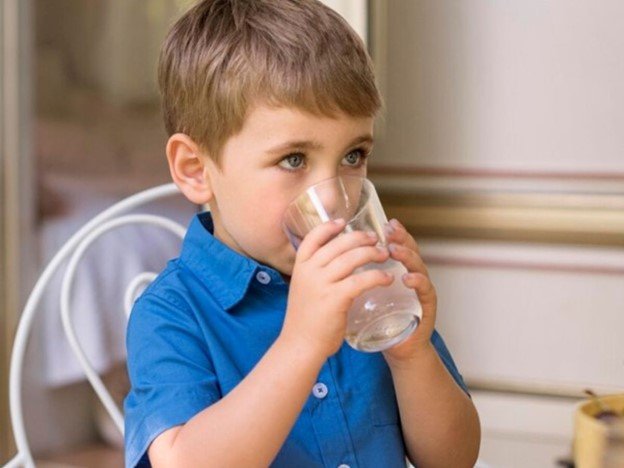
Understanding Water’s Role in Child Development
About 60% of a child’s body weight is derived from water, which is also necessary for all cellular activity. Water controls body temperature feeds cells nutrients and oxygen and facilitates digestion. Children’s overall health and well-being depend on their being usually more active than adults; consequently, following early childhood guidance is especially crucial for them to be hydrated.
How Much Water Does Your Child Need?
Age-specific needs: Young children and toddlers have differing water needs than more seasoned youngsters.
Activity level: To stay hydrated, active children, particularly in warm climates, require a higher water intake.
Health considerations: Certain diseases may increase the need for fluids.
Dietary sources: Foods high in water include milk, fruits, and vegetables.
Ensuring Proper Hydration for Every Child
Although conventional recommendations call for youngsters to drink six to eight glasses of water per day, personal requirements differ. Age, weight, environment, and degrees of physical activity significantly influence the appropriate level. Providing a customized Nutritional guide for Toddlers ensures that their parents will adequately meet their unique hydration requirements.
Spotting Dehydration Early
Early indicators of dehydration in children might include dry mouth, lower urine production, lethargy, and irritability. Identifying early indications is crucial for early childhood guidance. Encourage youngsters to identify their indicators of dehydration, which will enable them to control their hydration deliberately.
Hydration Strategies for Parents
Encouraging children to drink water can sometimes e challenging. Here are a few strategies to make hydration a habit:
- Offer water often, especially before, during, and after physical exercise.
- Children should have quick access to water all day long.
- Set an example; drink plenty of water yourself.
- Add slices of fruit to improve the taste and attraction of water.
The Impact of Hydration on Learning and Play
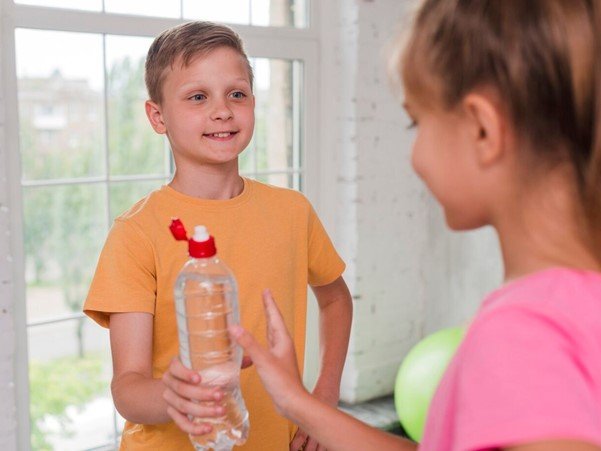
Children’s cognitive and physical capacities, as well as their general state of hydration, directly depend on this. Youngsters who drink enough water usually do better in class and have more energy to enjoy leisure time. This relates directly to more general Childhood nutrition advice, which advocates a balanced diet and enough fluid consumption.
Seasonal Considerations in Hydration
In hotter months, the need for water is even more crucial. Heat makes one more likely to sweat, which accelerates dehydration. A Nutritional Guide for Toddlers that calls for more summer fluid consumption helps guard against heat-related health problems.
Encouraging Healthy Habits
An essential component of the Nutritional Guide for Toddlers is to include water consumption in children’s daily schedules. Early development of these positive behaviors increases children’s chances of carrying them through their lives, therefore encouraging long-term health and well-being.
Conclusion
Proper hydration is crucial for your child’s health and growth. Healthy Child will provide you with the tools and encouragement you need to ensure your child’s health and hydration. Reiterating the need to form lifetime proper hydration practices and adopting a proactive attitude toward regular water consumption will significantly enhance your child’s development and general well-being.
Related Blogs

Parenting
Healthy Recipes for Picky Eaters: Nutritious Meals Kids Will Love
For parents, feeding children, especially picky eaters, can be difficult. Meals should not only fit their tastes but also supply the proper nourishment. Toddlers and babies especially depend on their dietary demands to be satisfied from the beginning of their development. Little imagination can help you design nutritious meals that simultaneously satisfy and thrill youthful taste receptors. This blog will walk you through creating meals your kid will like and meeting their dietary requirements.
Read More →

Parenthood
Best Ways to Encourage Social Skills in Children
Growing youngsters have many chances to acquire social skills that will enable them to negotiate their environment. From peer interactions to adult communication skills, a child’s growth depends critically on their capacity to participate in social events. Promoting effective social skills transcends instruction in etiquette like “please” and “thank you.” It’s about developing emotional intelligence, empathy, and communication skills, all of which are very important for preserving mental health support for kids.
Read More →

Toddler Nutrition
Promoting Toddler Development: Key Milestones and Growth Strategies
The early years of a child’s life are vital for toddler development. Toddlers grow quickly in both physical and mental aspects during this period. Parents and other caregivers must first understand the important benchmarks and the dietary requirements linked with this stage. This blog will investigate successful approaches to promoting toddler development.
Read More →

Parenting
10 Simple Tips to Keep Your Child Emotionally Happy in a Busy Home
Keeping a youngster’s psychological wellness in a bustling home might be problematic in the present high-speed climate. Youngsters can feel restless or excused as the problem of regular living continues to rise. It is hard to exaggerate the significance of assisting a young person with being genuinely cheerful; it promptly influences their general new development, social contacts, Child Emotionally and psychological wellness. Basic, careful ways of behaving may have a significant effect and help establish a solid climate where a youth feels appreciated and comprehended.
Read More →