Although a child’s general well-being depends mostly on mental health, it is sometimes disregarded in favour of physical health issues. Children have particular difficulties in the fast-paced and ever more complicated environment of today that could greatly affect their mental health. From social adjustments to academic demands, children encounter stresses that could cause anxiety, depression, or other mental health disorders. Mental Health Support for Kids is essential in these situations to help them manage stress and thrive in challenging environments. Providing the appropriate assistance and response as parents and caregivers depends on early identification of the indicators of mental health problems.
.png)
How to Spot and Support the Mental Health Needs of Kids Today?
calendar_month
28 Oct 2025, 12:31
visibility
99 Views
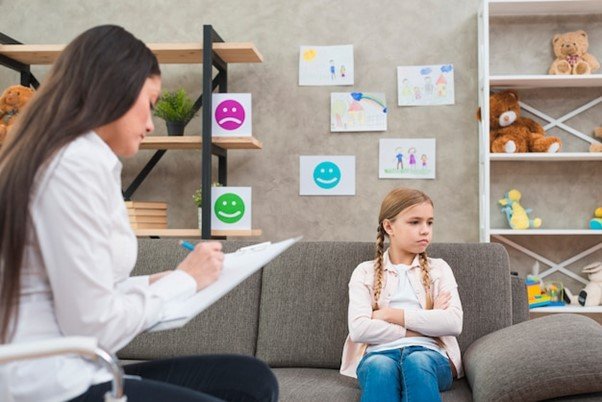
Recognizing Early Warning Signs of Mental Health Struggles
Children might not always express their emotions freely, which makes it challenging to see when anything is wrong. Common warning indicators, though, can point to a child’s mental health may be under challenge. These symptoms include abrupt behavioural changes, disengagement from social events, inexplicable mood swings or irritation, and clearly changed academic performance. Additionally, revealing a child’s mental health is paying attention to bodily problems such as headaches, stomachaches, or disturbed sleep without a clear cause. Early recognition of these signs ensures timely mental health support.
How Can Parents Initiate Conversations About Mental Health?
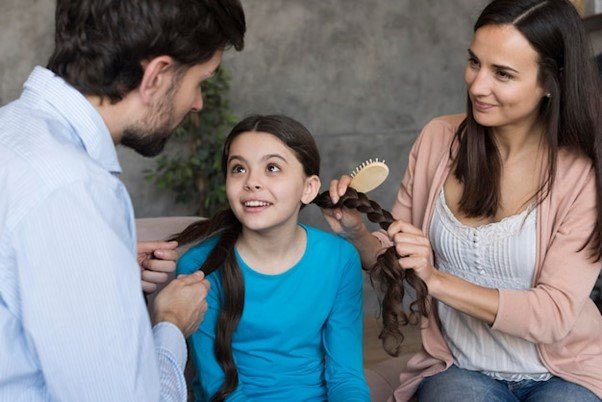
Although it can be frightening, talking to children about mental health is an absolutely vital step in helping them. The key is to provide safe and open surroundings where children feel free to communicate their feelings. To build trust, parents should probe open-ended inquiries and pay attention, nonjudging listening. Children will feel heard and understood if age-appropriate language is used and if minimizing their emotions is avoided. Regular communication plays a significant role in building confidence in children, which in turn promotes emotional well-being. Children are more likely to seek help when they need it if regular emotional dialogues are encouraged instead of waiting for a crisis.
Schools’ Part in Promoting Children’s Mental Health
Children’s mental health is shaped in great part by their schools. Children spending a lot of time in academic environments have a special chance for teachers and counsellors to spot early on mental health issues. Schools can provide courses encouraging emotional literacy, resilience, and stress management, therefore arming pupils with the means to meet the challenges of life. Ensuring a whole approach to a child’s well-being depends on cooperation among parents, teachers, and mental health experts.
How Can Physical Health Impact Mental Well-Being?
Physical and mental health are intimately related, so one can greatly affect the other. Maintaining excellent mental health in children depends on a healthy lifestyle with consistent exercise, a balanced diet, and enough sleep. Particularly, physical activity has been demonstrated to lower anxiety and depression symptoms by producing endorphins, the body’s natural mood booster. Children’s mental and emotional health can benefit from encouragement to participate in outdoor play, team sports, or hobbies they enjoy.
What Role Does Technology Play in Children’s Mental Health?
Children’s life now revolves around technology, which both improves and compromises their mental health. Although digital tools provide chances for social interaction and educational advantages, too much screen time can cause problems like social isolation, disturbed sleep, and cyberbullying. Parents have to keep an eye on how their kids use technology and create reasonable screen time limits. Unplugged family activities and face-to-face meetings assist a child’s mental health to be balanced by the effect of technology.
Seeking Professional Help for Mental Health Concerns
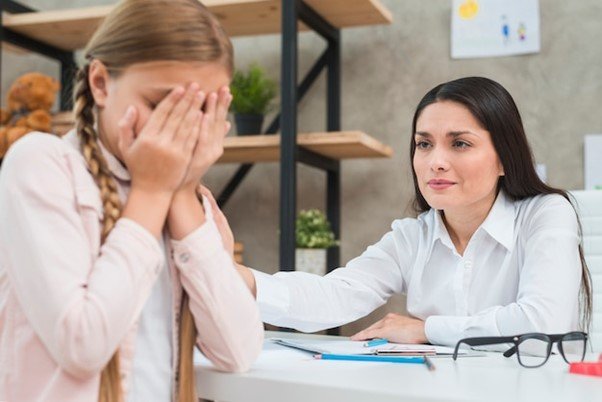
Seeking expert care is absolutely vital if a youngster shows consistent or severe symptoms of mental health problems. Paediatricians, child psychologists, and counsellors trained to assess and treat mental health problems in children are among them. Children can get the coping skills they need to negotiate their difficulties from treatment, including cognitive-behavioral therapy (CBT), play therapy, or family counselling. Preventing long-term effects depends on early intervention. Hence, parents should not hesitate to get expert advice when necessary.
Conclusion
Supporting a child’s mental health calls for action, knowledge, and attention. Parents may help their children negotiate the complexity of growing up in today’s environment by seeing early warning signals, encouraging honest communication, and when needed, consulting professionals. Healthy, strong children require a loving atmosphere that stresses both physical and emotional well-being. Our goal at Healthy Child Enterprises is to give parents and other caregivers the tools they need to guarantee children flourish physically, emotionally, and intellectually.
Related Blogs
Toddler Nutrition
Best Top 10 Nutritious Weight-Gaining Food for Kids
Top 10 best weight-gaining foods for kids to increase their weight and health. These are easily available in kitchen, tasty, and under budget.
Read More →

Toddler Health & Fitness
A Complete Nutritional Guide for Toddlers to Support Healthy Growth
The proper growth of a kid depends on early-life nutrition, and having a Nutritional Guide is essential. Particularly between one and three years old, this period of life lays the groundwork for lifetime eating patterns and health. Knowing their nutritional guide requirements becomes crucial for parents and caregivers when toddlers move from baby food to a more diversified diet. This blog provides a thorough Nutritional guide for Toddlers covering important elements of a good diet, the value of good nutrition, and useful advice to satisfy these requirements.
Read More →
Parenthood
Best Ways to Encourage Social Skills in Children
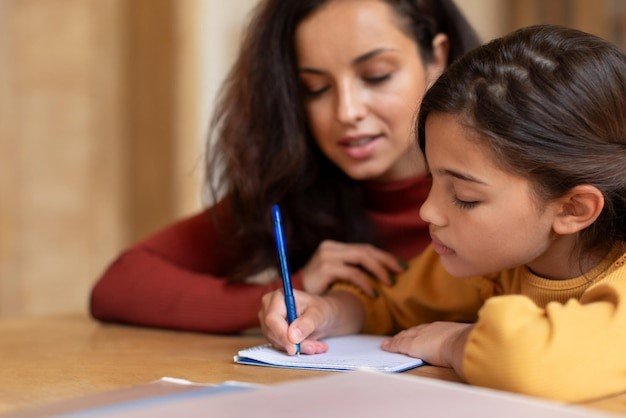
Growing youngsters have many chances to acquire social skills that will enable them to negotiate their environment. From peer interactions to adult communication skills, a child’s growth depends critically on their capacity to participate in social events. Promoting effective social skills transcends instruction in etiquette like “please” and “thank you.” It’s about developing emotional intelligence, empathy, and communication skills, all of which are very important for preserving mental health support for kids.
Read More →
Parenting
How to Balance Your Child’s Diet: A Complete Guide for Parents
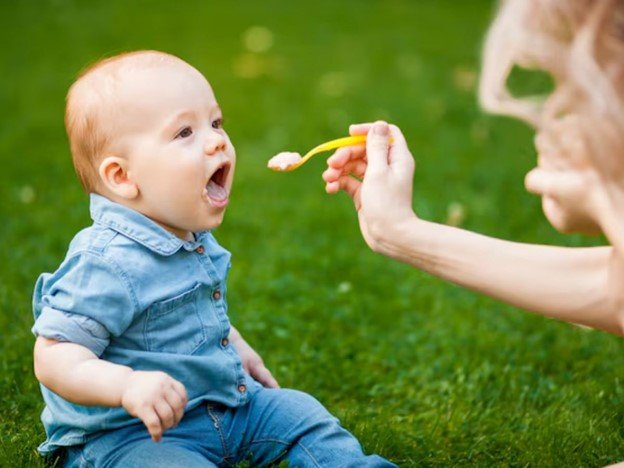
One of the most important actions parents can do for their baby’s health and development is to make sure they get the proper diet. Early years of life are necessary for childhood nutrition as it instantly influences the immune system, development, energy levels, and brain growth. Especially with the abundance of food choices available, smashing the proper balance may be challenging. But with the correct child’s diet and data, you may make wise choices advancing the baby healthy and development.
Read More →