Logo


A Healthy Diet During Pregnancy For Good Baby Weight Gain

A Healthy Diet During Pregnancy For Good Baby Weight Gain

calendar_month 29 Oct 2025, 18:05
visibility 44 Views
A Healthy Diet During Pregnancy For Good Baby Weight Gain

A healthy diet during pregnancy is crucial for good baby weight gain. As an expectant mother, you’re not just eating for one — you’re nourishing a tiny life within you. So, let’s dive into the essential nutrients your body and your baby need during this incredible phase


“Giving birth should be your greatest achievement not your greatest fear.”

-Jane Weideman

1. Important Nutrients to be Added for Healthy Pregnancy Diet

1. Important Nutrients to be Added for Healthy Pregnancy Diet

A. Folate and Folic Acid: Building Blocks for a Healthy Start in Pregnancy
Why It Matters:-

Folic Acid plays a crucial role in preventing serious birth defects related to the brain and spinal cord.
Folic acid, the synthetic form of folate, is equally vital for your baby’s development.

How Much You Need:-

Before conception: Aim for 400 micrograms (mcg) of folate or folic acid daily.
Throughout pregnancy: Boost it to 600 to 1,000 mcg.

Where to Find It:-

Fortified cereals: These are excellent sources of folic acid.
Leafy greens: Think spinach, kale, and asparagus.
Citrus fruits: Oranges are a tasty choice.
Legumes: Beans, peas, and lentils are naturally rich in folate.
Remember, a daily prenatal vitamin with folic acid is your secret weapon. Start taking it at least three months before conception to give your baby the best head start.


B. Calcium: Strengthening Bones and Beyond
Why It Matters:-

Calcium is the superhero behind strong bones and teeth for both pregnant mothers and babies.
It also supports your circulatory, muscular, and nervous systems during pregnancy.

How Much You Need:-

Aim for 1,000 milligrams (mg) daily.
Pregnant teenagers need 1,300 mg.

Top Sources:-

Dairy products: Milk, yogurt, and cheese are calcium-rich champs.
Broccoli and kale: These veggies are non-dairy calcium sources.
Fortified foods: Check out calcium-fortified cereals and orange juice.


C. Protein, Iron, and More: The Power of a Balanced Diet in Pregnancy
What to Include:-

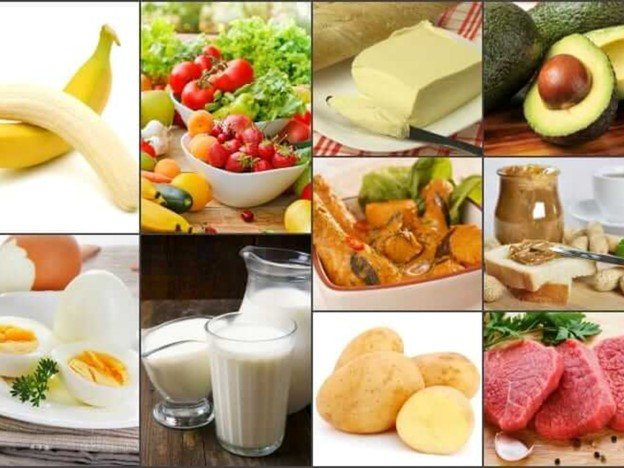
Lean meats: Chicken, turkey, and fish.
Legumes: Lentils, chickpeas, and beans.
Eggs: A protein-packed choice.
Sweet potatoes: Rich in beta-carotene (hello, vitamin A!).
Berries: Bursting with antioxidants.

What to Limit:-

Alcohol: Best to skip it during pregnancy.
Caffeine: Keep it moderate.
Certain fish and cheeses: Avoid high-mercury fish and unpasteurized cheeses.


D. Hydration and Mindful Eating: The Unsung Heroes
Stay Hydrated:-

Sip water throughout the day.
Herbal teas are a soothing option.

Listen to Your Body:-

Eat when hungry.
Choose whole grains, colorful fruits, and veggies.

In Conclusion: Your Nutrient-Packed Journey During Pregnancy

Remember, you’re creating a masterpiece, Always try to take a healthy diet during pregnancy to ensure good baby weight gain— a tiny human with boundless potential. So, savor each bite, stay hydrated, and embrace this miraculous chapter. Your baby’s first food adventure starts with you!  .

I hope this concise guide helps you navigate your pregnancy nutrition journey. If you have any specific questions or need further information, feel free to ask!  

2. How much weight should I gain during pregnancy?

2. How much weight should I gain during pregnancy?

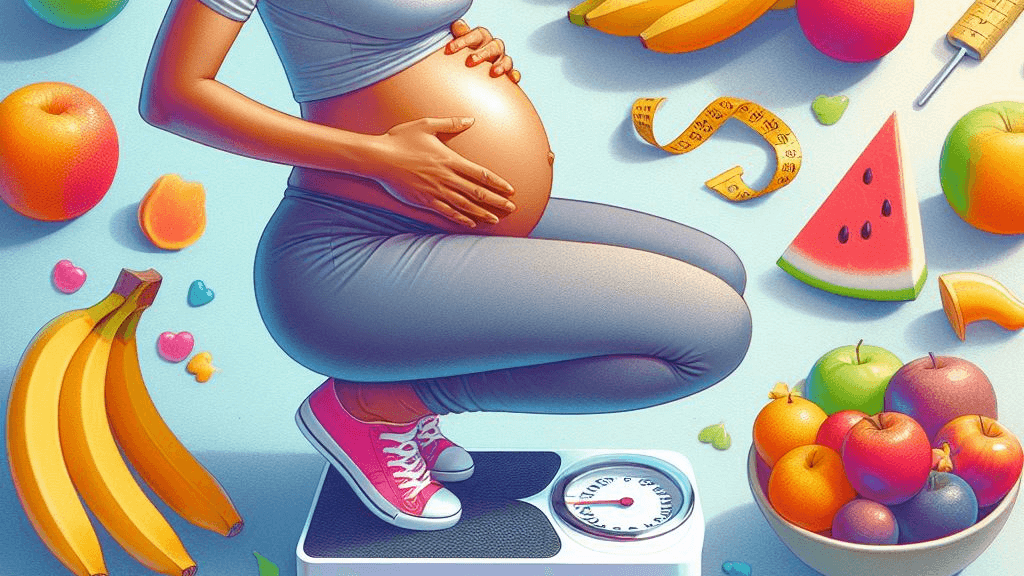
Pregnancy weight gain is a topic that sparks curiosity and concern for expectant mothers. Let’s break it down to help you understand what’s healthy and what to aim for during this transformative journey.

A. Pre-pregnancy Weight and BMI: The Starting Point

Your pre-pregnancy weight and body mass index (BMI) play a significant role in determining the recommended weight gain during pregnancy. Here’s a general guideline:

Underweight (BMI below 18.5): Aim for 28 to 40 pounds (about 13 to 18 kilograms).
Healthy weight (BMI 18.5 to 24.9): Target 25 to 35 pounds (about 11 to 16 kilograms).
Overweight (BMI 25 to 29.9): Strive for 15 to 25 pounds (about 7 to 11 kilograms).
Obese (BMI 30 or more): Consider 11 to 20 pounds (about 5 to 9 kilograms).

B. Twins or Multiples? Adjusting the Numbers

If you’re carrying twins or other multiples, your weight gain requirements will differ:

Underweight: 50 to 62 pounds (about 23 to 28 kilograms).
Healthy weight: 37 to 54 pounds (about 17 to 25 kilograms).
Overweight: 31 to 50 pounds (about 14 to 23 kilograms).
Obese: 25 to 42 pounds (about 11 to 19 kilograms).

C. Special Considerations: Being Overweight or Underweight

Being Overweight: While some weight gain is recommended, research suggests that obese individuals can safely gain less weight than guidelines recommend. Consult your healthcare provider for personalized advice.

Being Underweight: Gaining a reasonable amount of weight is crucial. Without it, your baby might be born prematurely or smaller than expected.

D. Too Much or Too Little? Finding the Balance

Excessive Weight Gain: It can lead to health problems for your baby, such as being born significantly larger than average or complications during birth.

Inadequate Weight Gain: Increases the risk of premature birth or low birth weight.

Remember, each pregnancy is unique. Always try to take a healthy diet during pregnancy to ensure good baby weight gain. Work closely with your healthcare provider to tailor recommendations to your specific needs. Embrace this incredible journey, nourish yourself, and celebrate the miracle growing within you!  

3. What are some healthy ways to gain weight during pregnancy?

3. What are some healthy ways to gain weight during pregnancy?

Certainly! Here are some healthy ways to gain weight during pregnancy while ensuring optimal nutrition for both you and your baby:

Eat Frequent, Nutrient-Dense Meals:

  • Aim for five to six small meals throughout the day.
  • Include a variety of foods rich in essential nutrients.
  • Opt for lean proteins, whole grains, low-fat dairy, vegetables, and fruits.

Healthy Fats Are Your Friends:

Add sources of healthy fats to your diet, such as:

  • Olive oil
  • Nut butter (paired with whole-grain crackers)
  • Nuts
  • Dried fruit
  • Avocados

Combat Nausea with Mini-Meals:

If morning sickness is a challenge, eat small, nutrient-dense meals every couple of hours.
These mini-meals can help you and your baby get the necessary nutrients despite nausea.

Stay Active:

Engage in gentle exercises or prenatal yoga to maintain overall health.
Consult your healthcare provider for suitable physical activity recommendations.

Remember, pregnancy weight gain is a gradual process, and it’s essential to focus on quality nutrition rather than empty calories. Always try to take a healthy diet during pregnancy to ensure good baby weight gain. Listen to your body, stay hydrated, and enjoy this remarkable journey!  


"You are pregnant and you are powerful. You are bold and you are beautiful. Go forward in your boldness, in your beauty and in your contentedness. Trust your body to birth and know that the collective power of women worldwide will be with you.”

-Anonymus

Related Blogs

Can I Give My Baby Spicy Foods?
General Care

Can I Give My Baby Spicy Foods?

A key area of concern for parents and caretakers is that childhood nutrition determines the basis for lifetime health and well-being. Introducing a range of meals is essential for forming taste preferences and eating patterns in growing babies. This blog explores the effects of feeding spicy foods to infants and offers professional childhood nutrition advice to make sure their diet supports their health and development.

calendar_month 28 Oct, 2025
visibility 43
thumb_up 0
thumb_down 0

Read More →

Your Guide to Understanding the 5 Key Areas of Child Development
Parenthood

Your Guide to Understanding the 5 Key Areas of Child Development

From birth to youthfulness, a youngster goes through a few huge and complex formative stages for child development. Understanding these cycles can let guardians, instructors, and clinical experts help a youngster foster all the more completely. The five most significant regions of a kid’s improvement will be examined in this book alongside their implications and how they connect to make a sound, cheerful individual.

calendar_month 29 Oct, 2025
visibility 41
thumb_up 0
thumb_down 0

Read More →

4 Easy Strategies to Help Your Toddler Learn Self-Help Skills at Home
Parenthood

4 Easy Strategies to Help Your Toddler Learn Self-Help Skills at Home

Early in life, every day offers fresh chances for a kid to develop and learn. Among the vital talents infants start to acquire are self-help skills, which are so important for promoting independence, confidence, and problem-solving ability. These abilities include anything from personal hygiene to dressing and eating oneself. Promoting the acquisition of these self-help techniques at home will pay off in the long run as it lays a solid basis for the next education and autonomy.

calendar_month 28 Oct, 2025
visibility 41
thumb_up 0
thumb_down 0

Read More →

Creating a Safe and Healthy Home Environment for Kids
Parenthood

Creating a Safe and Healthy Home Environment for Kids

Children’s emotional and physical growth depends on their safe and healthy home environment. Children flourish in environments that support their well-being so they may explore, grow academically, and develop confidence. A healthy household addresses emotional support, a loving environment, and chances for personal development in addition to physical protection. This blog will look at important elements in establishing a home setting that supports Emotional well-being in Kids, therefore enabling their long-term success and enjoyment.

calendar_month 27 Oct, 2025
visibility 42
thumb_up 0
thumb_down 0

Read More →