Understanding toddler nutritional needs becomes very essential as parents negotiate the challenging route of parenting kids. Toddlers are at a necessary time of development and need nutritional needs to promote their emotional, cognitive, and physical well-being. Good nutrition is the basis for Healthy Child Development hence, parents should understand the significance of different nutrients in the meals of their young children.
.png)
Nutritional Needs of Toddlers: What Every Parent Should Know?
calendar_month
27 Oct 2025, 11:41
visibility
106 Views
Growth and Nutritional Needs of Toddlers
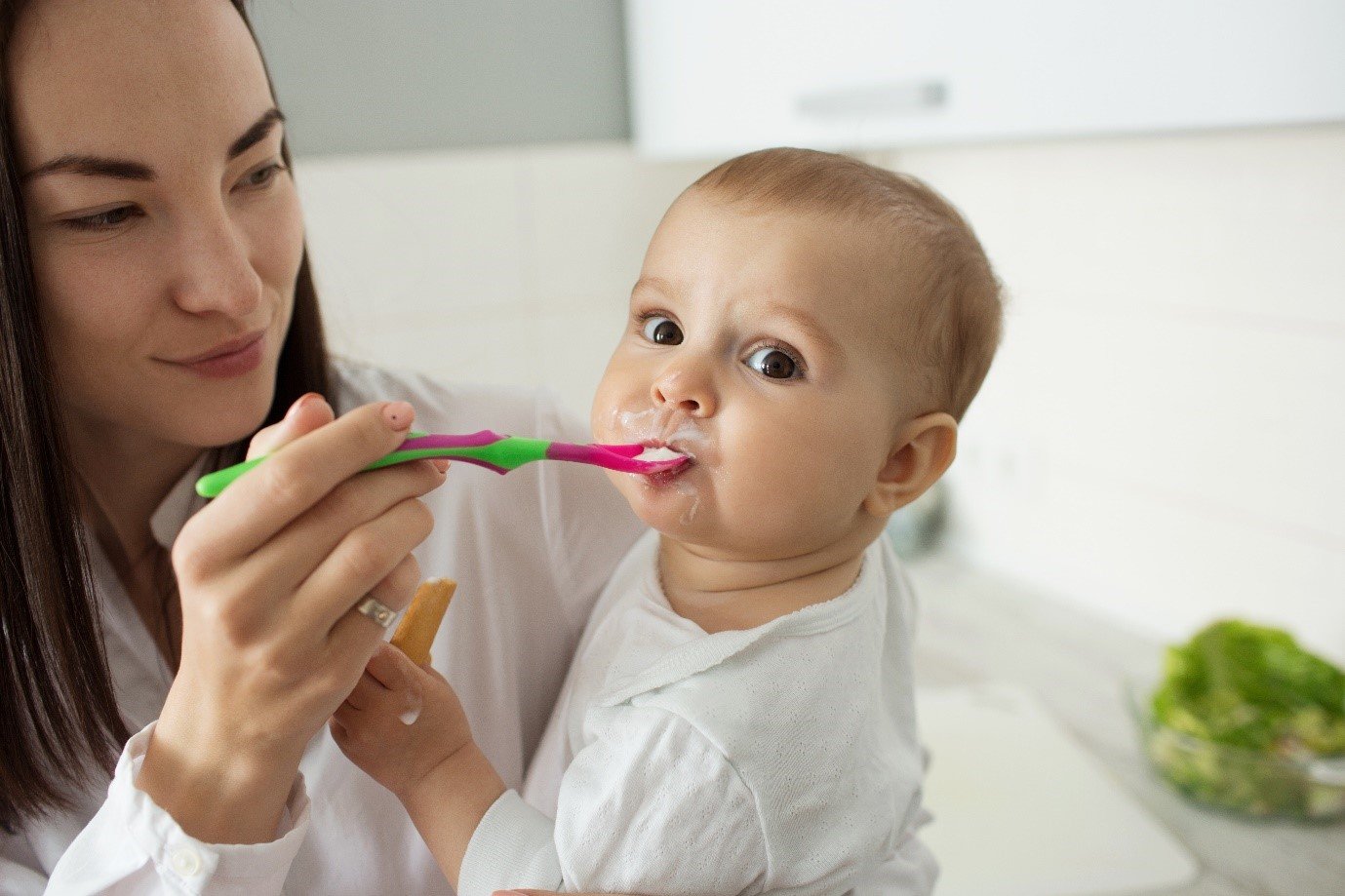
The Nutritional Needs of Toddlers are completely separate from those of newborns and older children. Children’s bodies are developing fast at this time, and their cognitive development is at a high level. Supporting this development is mostly dependent on basic nutrients like proteins, lipids, carbs, vitamins, and minerals. To make sure their children flourish and grow best, parents have to pay great attention to certain dietary requirements.
Importance of an Iron-Rich Diet
Toddlers’ well-rounded diet consists of several things from every food type. Everyday feeds should include fruits, vegetables, grains, proteins, and dairy. At this period, iron is especially crucial as it affects energy levels and cognitive development. An iron rich diet for infants can be achieved through foods such as lean meats, beans, fortified cereals, and leafy greens. Toddlers’ whole health may be supported, and developmental deficits can be avoided by getting enough iron.
Nutrition and Mental Health
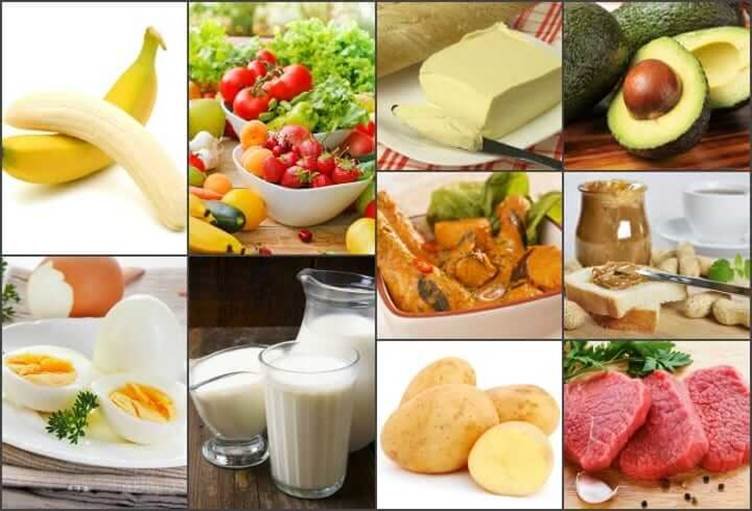
Apart from physical development, diet greatly affects mental health. Studies show that children’s mental health is much correlated with their nutrition. Nutritional deficits could cause mood swings, anxiety, and even more serious mental health problems. Parents should concentrate on offering their children nutrient-dense meals that not only provide Mental Health Support for Kids but also feed their bodies. Especially good for brain function are omega-3 fatty acids found in walnuts, flaxseed, and seafood.
The Role of Hydration
Still, another important part of a toddler’s diet is hydration. The main basis of hydration should be water; sugary beverages and sodas should be avoided. All body processes, including digestion and temperature control, are supported by enough water. Toddlers should be urged by their parents to sip water all day, particularly in hot weather or during strenuous activity.
Healthy Snacking Habits
A toddler’s eating schedule usually consists of snacks, so parents have a great chance to promote healthy choices. While maintaining steady energy, healthy snacks such as yogurt, fruit slices, and whole-grain crackers may provide vital nutrients. Toddlers generally copy their caregivers’ decisions; hence, parents should set good eating habits. Parents may inculcate lifetime habits in their children via surroundings that encourage good eating.
Transitioning from Newborn Nutrition
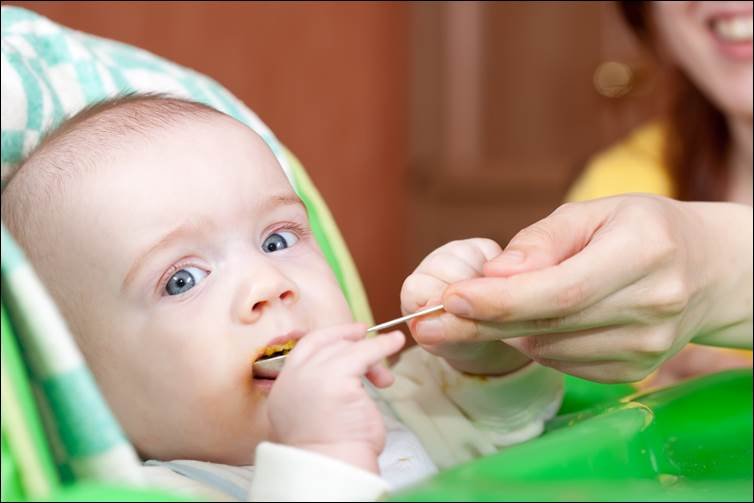
For parents moving into toddlerhood, knowing infants’ dietary requirements is also very essential. Usually starting at six months, the introduction of solid meals should be gradual. To help their child’s palette develop, parents should strive for a range of textures and tastes. One should pay close attention to allergic responses and start new meals one at a time. This strategy fosters not just good eating but also a favorable connection with food.
Patience and Flexibility in Feeding
Parenting calls for both flexibility and patience. Often rejecting things they used to appreciate, toddlers are famously finicky eaters. Their preferences will vary often; parents should keep providing a range of meals free from pressure. Toddlers who are encouraged to investigate several tastes and textures will develop a good attitude about eating. Including fun and imagination in meal preparation may also help toddlers to enjoy eating.
Conclusion
Toddlers’ growth depends on meeting their dietary demands. Parents should concentrate on giving their children a balanced diet high in vital nutrients, including iron, to promote their children’s mental health and development. Parents may provide a solid basis for lifetime health and pleasure by being proactive and knowledgeable about the nutrition need of newborns. See Healthy Child for further direction and tools to strengthen your parenting path.
Related Blogs

Toddler Nutrition
How to Create Balanced Meals for Toddlers That They’ll Actually Love?
Many parents struggle with creating balanced meals for their young children. Toddlers’ irregular feeding patterns and discriminating tastes make it challenging to make sure they get all the required nutrients. Nevertheless, establishing good eating habits early on is vital for their development. Toddlers need the vitamins, minerals, and energy-balanced diets provide to flourish. This blog takes a look at basic methods to make food interesting to your little child’s taste receptors and meet their dietary requirements.
Read More →

Parenthood
Recognizing Early Signs of Autism in Babies: A Guide for Parents
Identifying early signs of autism in your babies is crucial for parents to ensure timely intervention and support for their kids’ proper development. In this comprehensive article, we’ll get to know the subtle cues that may indicate autism spectrum disorder (ASD) in infants. By recognizing these signs earlier, parents can take steps to seek treatment and support to provide the best possible care for their little ones.
Read More →

Toddler Nutrition
The Daily Food Guide for Toddlers: How to Balance Nutrition and Taste
Early in life, empowering both great eating patterns and solid improvement depends on balancing flavour with nutrition in little child meals for food guide. Suitable nourishment advances immunological well-being, mental development, and physical development. Hence, the toddler years are a critical period for laying a basis for appropriate eating habits. However, every individual who has at any point taken care of a baby figures out that, no matter what its dietary benefit, a little child will not eat anything that preferences terrible. This blog offers practical tips to let guardians and other carers track down the appropriate balance.
Read More →
Parenting
Guide to Healthy Sleep Habits for Infants and Toddlers
Your newborn or toddler’s general health and well-being depend on their getting adequate sleep. From creating a secure sleeping environment to a relaxing evening ritual, several elements help to promote good sleeping practices. The abundance of advice accessible may overwhelm you as new parents or caregivers. Still, your child’s sleep quality may be much improved by understanding where to start and how to approach sleep training. This blog offers sensible Infants and Toddlers care tips to support your child’s improved sleep.
Read More →