Logo


Spotting the Signs: Recognizing Danger Signs in Newborns

Spotting the Signs: Recognizing Danger Signs in Newborns

calendar_month 29 Oct 2025, 18:42
visibility 105 Views
Spotting the Signs: Recognizing Danger Signs in Newborns

Discover warning signs of newborn health issues every parent must recognize. Learn to identify potential issues early on to ensure your baby’s well-being. Explore key danger signs in our comprehensive guide. 1. Jaundice Jaundice is a common condition in newborns that causes yellowing of the skin and eyes. While mild jaundice is normal and usually…

Discover warning signs of newborn health issues every parent must recognize. Learn to identify potential issues early on to ensure your baby’s well-being. Explore key danger signs in our comprehensive guide.

Jaundice (Yellowish Discoloration)
Cyanosis (Bluish Discoloration)
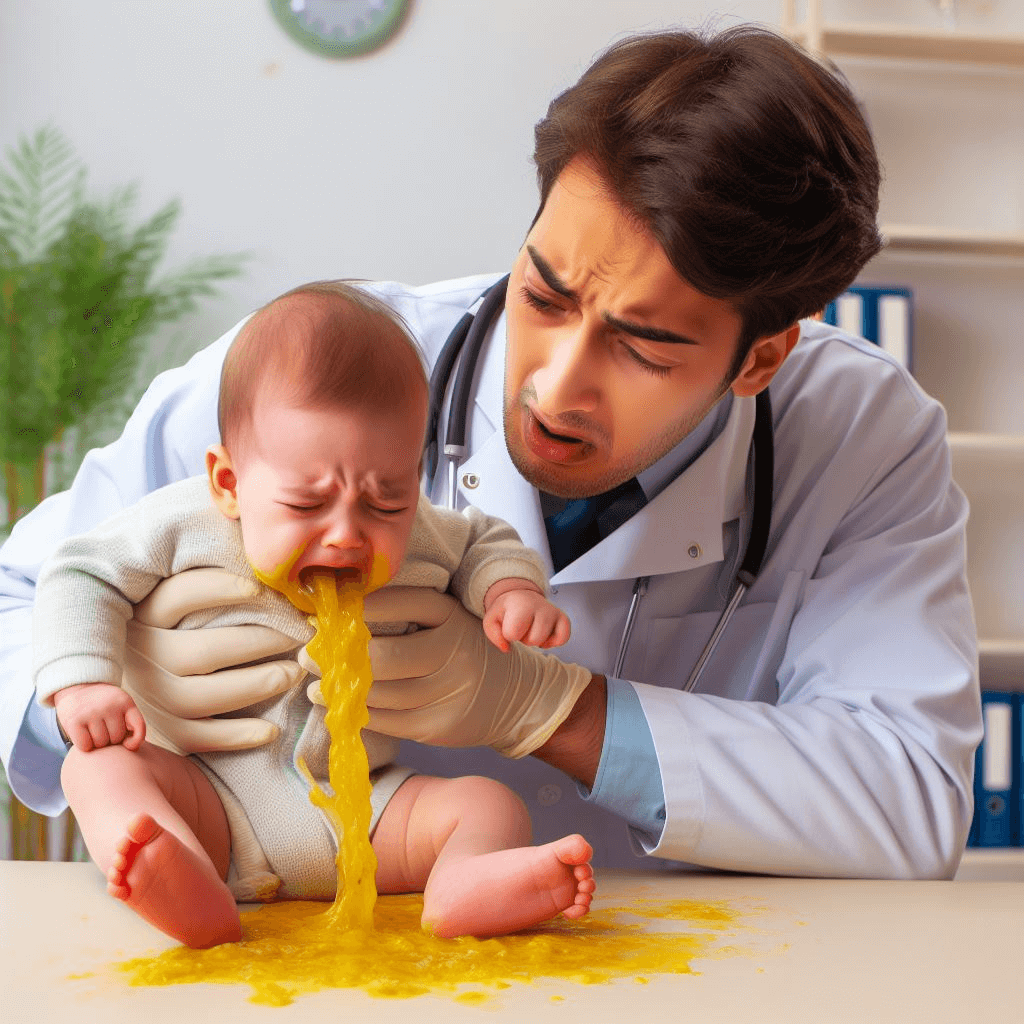
Excessive Vomiting
Low Body Tone(Lethargy)
High-Grade Fever
Breathing Difficulties
Poor Feeding
Abnormal Movements (Fits)
1. Jaundice

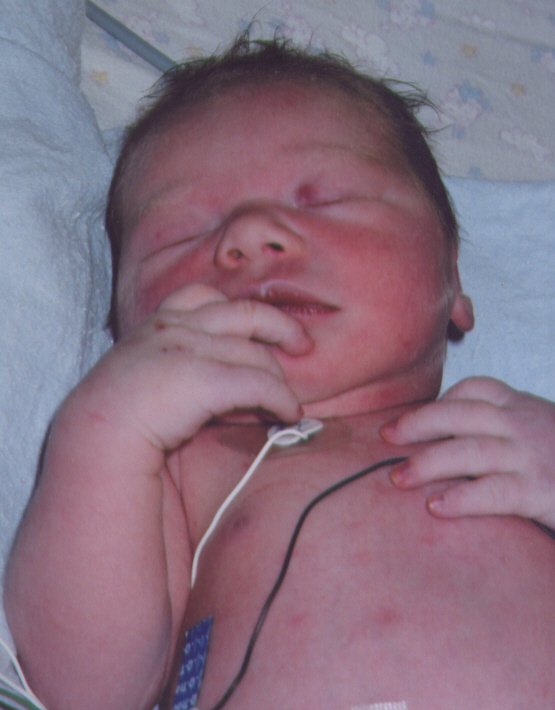
1. Jaundice

Neonatal jaundice is a common condition in newborns that causes yellowing of the skin and eyes.

While mild jaundice is normal and usually resolves on its own in a few days.

Severe jaundice can be a sign of a more serious underlying issue.

If your newborn’s skin and eyes appear significantly yellow, especially palm and sole, it is important to seek medical attention immediately.

2. Cyanosis (Bluish Discoloration)

2. Cyanosis (Bluish Discoloration)

Cyanosis is a condition in which the skin, lips, or nails turn blue or purple due to a lack of oxygen in the blood.

If it’s limited up to the palm and sole then it is known as Acrocyanosis, which may present in cold, high levels of hemoglobin and in preterm babies.

But if the tongue and oral cavity appear to be bluish it can be a sign of a serious respiratory or cardiac issue in newborns.

If you notice any signs of cyanosis in your newborn, such as blueness around the mouth or fingertips, seek medical help right away.

3. Vomiting

3. Vomiting

While spitting up or regurgitation is common in newborn babies, greenish vomiting(bile stained), persistent vomiting, or forceful vomiting can be a sign of a more serious problem.

If your newborn baby is vomiting forcefully, has blood in their vomitus, or is unable to keep any food down, it is important to consult a healthcare provider immediately.

4. Lethargy (Dull Activity)

4. Lethargy (Dull Activity)

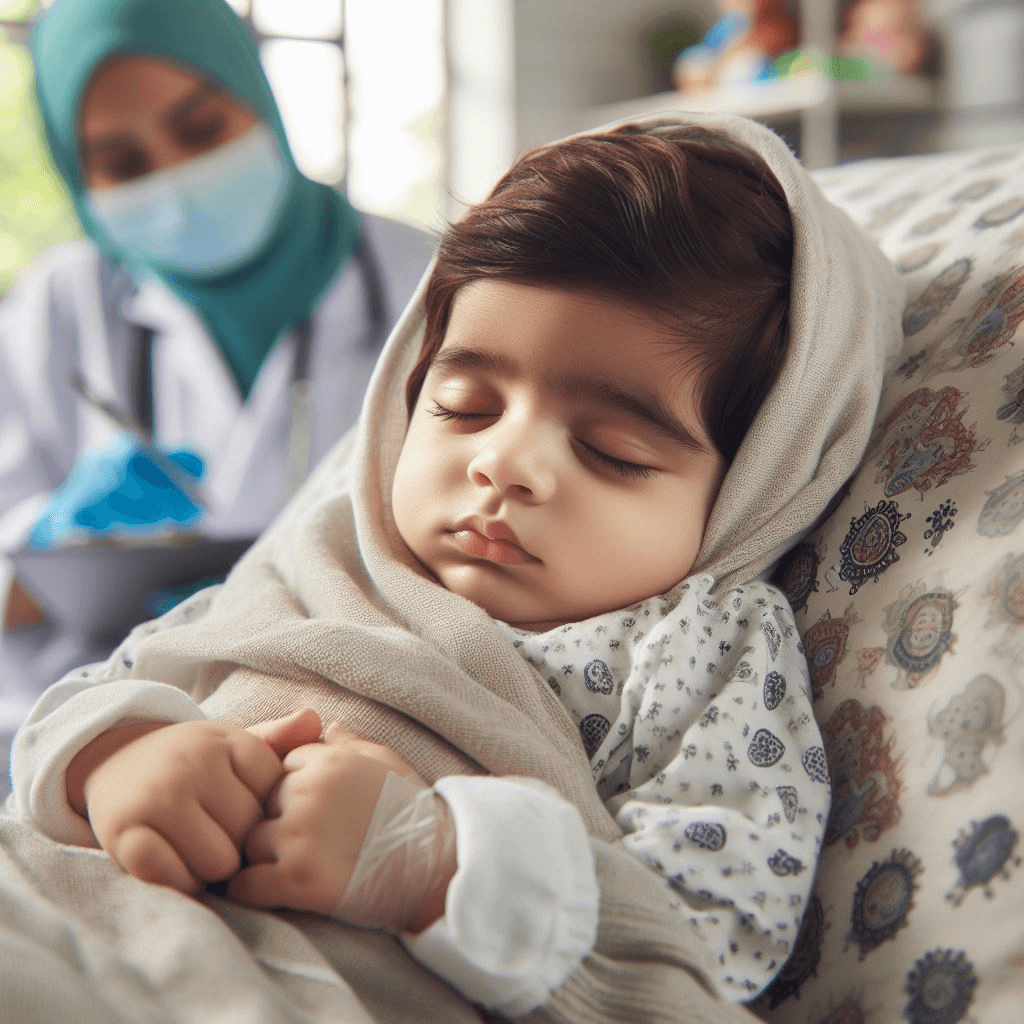
Newborns typically sleep most of the time, but excessive sleepiness, dullness, or lethargy can be a sign of a health issues like Hypoglycemia, Dis-electrolymia, Infection(sepsis), Brain inflammation( Meningitis) or other serious medical condition.

If your newborn is difficult to wake for feedings, lacks interest in feeding, or seems unusually tired, it is important to seek medical advice promptly.

5. Fever

5. Fever

Fever in newborn babies is a cause for concern and can occur due to many reasons.

It can be a sign of infection, dehydration, less feeding, or other serious health issues.

If your newborn has a rectal temperature of 100.4°F (38°C) or higher, seek medical attention promptly.

6. Breathing Difficulties

6. Breathing Difficulties

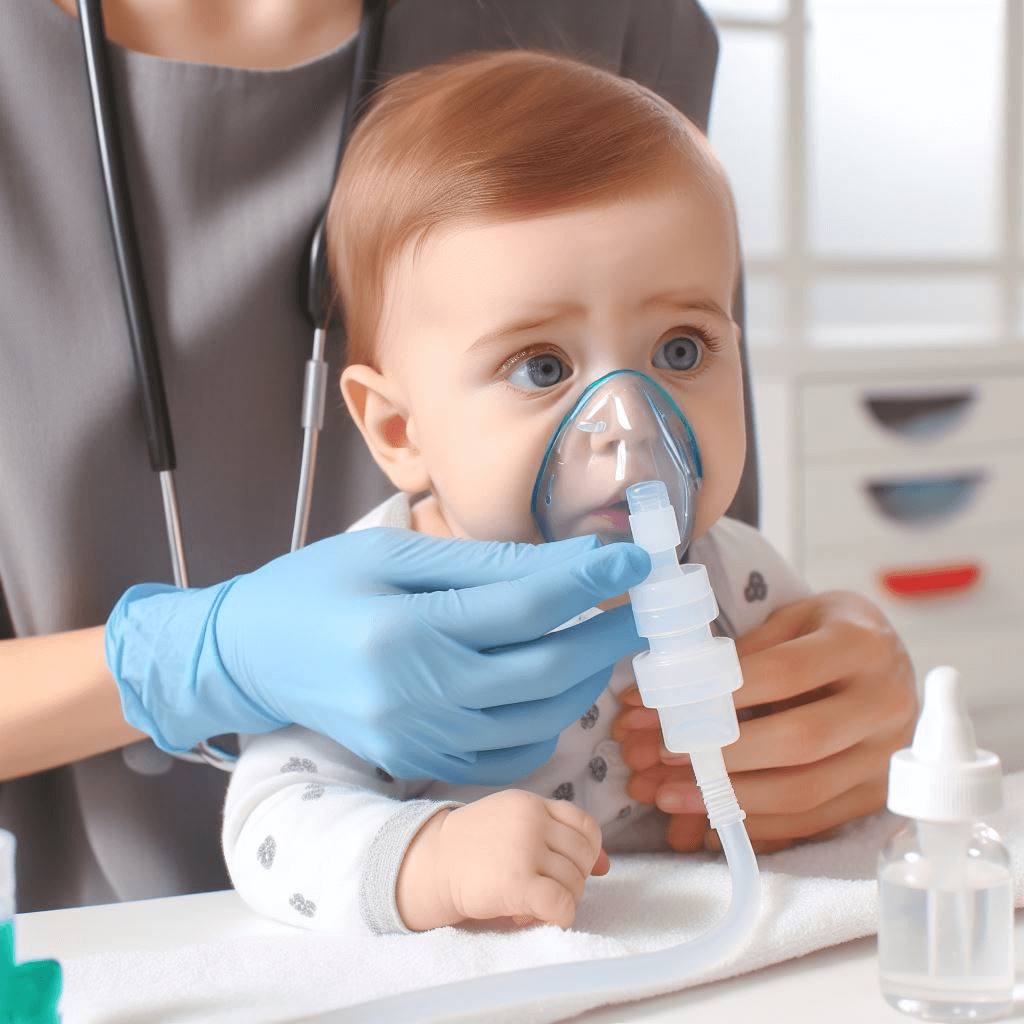
Newborns breathe 40 to 60 breaths/Minute, more than 60 breaths per minute is abnormal.

Breathing difficulties such as rapid breathing(fast breathing), chest retractions, grunting (abnormal sound), or wheezing (noisy breathing) can be a sign of a respiratory issue.

If your newborn is having any of the above types of breathing issues, seek medical help right away.

7. Poor Feeding

7. Poor Feeding

Newborns typically need feed every 2-3 hours.

If your baby is not accepting feed, refuses to feed, has difficulty in latching, or is not gaining proper weight, it may be a sign of an underlying illness.

Consult a pediatrician or child specialist if you have concerns about your newborn’s feeding habits.

8. Abnormal Movements (Fits)

8. Abnormal Movements (Fits)

Fits or seizures in newborns are not typically like adults, their symptoms are different.

Their abnormal movements can be present as jerky or twitchy movements, persistent abnormal movements such as stiffening, arching, or repetitive shaking, staring looks, boxing jabs, paddling movements, persistent high-pitched cry, and unresponsiveness.

If you notice any unusual movements in your newborn, seek medical advice promptly.

Conclusion

"Being aware of the danger signs in newborns is crucial for ensuring the health and well-being of your baby. If you notice any of the aforementioned signs or symptoms in your newborn baby, seek medical attention urgently. Remember, it is always better to be safe than sorry when it comes to your baby’s health."

-Anonyms

Related Blogs

4 Easy Strategies to Help Your Toddler Learn Self-Help Skills at Home
Parenthood

4 Easy Strategies to Help Your Toddler Learn Self-Help Skills at Home

Early in life, every day offers fresh chances for a kid to develop and learn. Among the vital talents infants start to acquire are self-help skills, which are so important for promoting independence, confidence, and problem-solving ability. These abilities include anything from personal hygiene to dressing and eating oneself. Promoting the acquisition of these self-help techniques at home will pay off in the long run as it lays a solid basis for the next education and autonomy.

calendar_month 28 Oct, 2025
visibility 96
thumb_up 0
thumb_down 0

Read More →

Your Guide to Understanding the 5 Key Areas of Child Development
Parenthood

Your Guide to Understanding the 5 Key Areas of Child Development

From birth to youthfulness, a youngster goes through a few huge and complex formative stages for child development. Understanding these cycles can let guardians, instructors, and clinical experts help a youngster foster all the more completely. The five most significant regions of a kid’s improvement will be examined in this book alongside their implications and how they connect to make a sound, cheerful individual.

calendar_month 29 Oct, 2025
visibility 104
thumb_up 0
thumb_down 0

Read More →

Why do Kids Lie? 5 Tips to Stop Children From Telling Lies?
Parenting

Why do Kids Lie? 5 Tips to Stop Children From Telling Lies?

Why do kids lie and how to stop children from telling lies? This is a very common question that we encounter in our pediatric clinic. Watching our newborn or infant slowly grow up, is a very happy and satisfying feeling but some of their habits sometimes hurt us, and we feel bad. One of these habits is the child’s lying tendency. We start blaming ourselves for these and having doubts about our parenting style as we are not like this, why our kids have these bad habits. Today I will tell you why children lie, how it starts, and how it grows, apart from this I will tell you efficient tips to stop your kids from telling lies. 

calendar_month 29 Oct, 2025
visibility 99
thumb_up 0
thumb_down 0

Read More →

Importance of Hydration: How Much Water Should Your Child Drink?
Child Nutrition

Importance of Hydration: How Much Water Should Your Child Drink?

The primary nourishment guideline for youngsters is to hydrate. Though everyone needs hydration, children are especially so given their particular physiological demands. Good hydration depends on physical health; it also enhances cognitive capacity and helps to retain energy levels. The importance of hydration cannot be overstated, as it plays a crucial role in their overall well-being.

calendar_month 28 Oct, 2025
visibility 95
thumb_up 0
thumb_down 0

Read More →